ثبت نام / ورود
0
ثبت نام / ورود
0
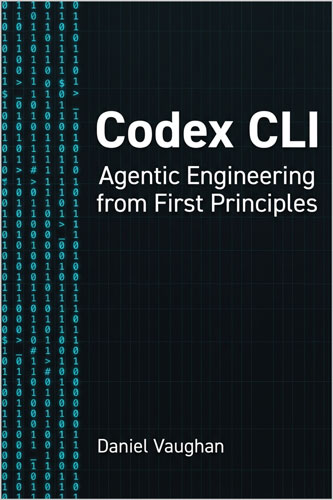
Agentic Engineering from First Principles
Daniel Vaughan
#CLI
#Codex_CLI
#Engineering
#software_engineering
#SDK
#OpenAI
🧠کتاب Codex CLI یک راهنمای جامع برای مهندسی نرمافزار ایجنتی با استفاده از ایجنت کدنویسی خط فرمان OpenAI است.
🚀 چه یک دولوپر تنها باشی که میخواد خروجی خودش رو چند برابر کنه، چه یک لید مهندسی که میخواد ورکفلوهای ایجنتی رو در یک تیم پیادهسازی کنه، این کتاب مدلهای ذهنی و تکنیکهای عملی لازم رو بهت میده تا با ایجنتهای کدنویسی AI مؤثرتر کار کنی.
📘 این کتاب توسط دنیل وان نوشته شده و بر اساس تجربههای دنیای واقعی و اینسایتهای کامیونیتی شکل گرفته. هر فصل با هدفهای یادگیری، مثالهای حلشده و تمرینهای دستبهکار همراهه.
📖 فهرست مطالب
فصل ۱. Codex CLI چیست؟
فصل ۲. شروع کار با Codex CLI
فصل ۳. چه چیزهایی در Codex CLI جدید است؟
فصل ۴. Benchmarkها و پرفورمنس دنیای واقعی
فصل ۵. ابزارهای رقیب و اینکه هرکدام را چه زمانی استفاده کنیم
فصل ۶. Codex در دنیای واقعی: Interfaceها و کامیونیتی
فصل ۷. Prompting مؤثر برای Codex CLI
فصل ۸. AGENTS.md: پترنها و دامها
فصل ۹. حالتهای Approval و مرزهای اعتماد
فصل ۱۰. دیباگ و تشخیص شکستهای ایجنت
فصل ۱۱. انتخاب مدل و میزان تلاش Reasoning
فصل ۱۲. MCP: مصرف کردن و سرو کردن
فصل ۱۳. Hookها: مداخله در چرخه عمر ایجنت
فصل ۱۴. اکوسیستم Skillها: استفاده از Skillها و نوشتن آنها
فصل ۱۵. مدیریت Context Window
فصل ۱۶. Sub-Agentها و اجرای موازی
فصل ۱۷. مدیریت هزینه و استراتژی Quota
فصل ۱۸. پترنهای Orchestration چندایجنتی
فصل ۱۹. Worktreeها و اجرای ایزوله
فصل ۲۰. یکپارچهسازی CI/CD
فصل ۲۱. سختسازی امنیتی
فصل ۲۲. دیپلویمنت Enterprise
فصل ۲۳. استراتژی تست و Evaluation برای ورکفلوهای ایجنتی
فصل ۲۴. Code Review با AI
فصل ۲۵. مهندسی Frontend با React و TypeScript
فصل ۲۶. ورکفلوهای تیمی Python
فصل ۲۷. Web Search و ایجنتهای پژوهشی
فصل ۲۸. مهاجرت کدبیس
فصل ۲۹. Agents SDK
فصل ۳۰. مقایسه Agentic Primitiveها
فصل ۳۱. Harness Engineering برای ایجنتهای بلنداجرا
فصل ۳۲. پاد مهندسی ایجنتی
👤 درباره نویسنده
👨💼 دنیل وان لیدر تکنولوژی و معمار نرمافزار مستقر در بریتانیاست که روی Agentic AI تخصص داره. او نزدیک به ۳۰ سال در محیطهای Enterprise، استارتاپی و آکادمیک کار کرده و در تمام مسیر حرفهایاش روی کیفیت مهندسی و بهرهوری دولوپرها تمرکز داشته. کار فعلی او حول این تغییر میچرخه که AI از یک آزمایش خارج میشه و به بخش اصلی روش ساخت نرمافزار در سازمانها تبدیل میشه.
🏢 دنیل Head of Forward Deployed Engineering در HCLTech AI Labs است؛ جایی که یک Practice جهانی رو رهبری میکنه که مهندسها و ایجنتهای کدنویسی رو داخل محیطهای پیچیده Enterprise مستقر میکنه تا AI پروداکشن رو از Prototype به سیستمهای Live برسونه. او این Practice رو از صفر ساخته و پادهای منطقهای Lean رو اجرا میکنه؛ پادهایی که در آنها یک معمار مشترک، تعداد کمی مهندس، و تیمی از ایجنتها با ابزارهایی مثل Codex، Claude Code، Cursor و GitHub Copilot کار میکنن و خروجیای در حد یک تیم خیلی بزرگتر تحویل میدن.
💳 قبل از HCLTech AI Labs، دنیل مدیر مهندسی نرمافزار در Mastercard لندن بود و استراتژی و معماری Cloud رو برای محصولهای پرداخت بلادرنگ در یک محیط خدمات مالی بهشدت قانونگذاریشده رهبری میکرد. قبلتر هم هشت سال در European Bioinformatics Institute در کمبریج کار کرد؛ از مهندس نرمافزار به رهبری مهندسی رسید و روی همان مسئلههای کیفیت نرمافزار و بهرهوری دولوپرها کار کرد که امروز با ابزارهای ایجنتی حلشون میکنه.
📚 او نویسنده کتابهای Cloud Native Development with Google Cloud از O'Reilly در سال ۲۰۲۴ و Ext GWT 2.0: Beginner's Guide از Packt در سال ۲۰۱۰ است، Google Developer Expert و Green Software Champion هم هست. دنیل درباره Agentic Engineering و توسعه AI-Assisted در blog.danielvaughan.com مینویسه.
Codex CLI: Agentic Engineering from First Principles is the most comprehensive guide to agentic software engineering with OpenAI's command-line coding agent. Across 28 chapters in six parts, you'll move from first principles to production workflows and team-scale practice: prompting and AGENTS.md configuration, approval modes and kernel-level sandboxing, model selection, context and cost management, MCP servers, hooks, skills, sub-agents and orchestration, worktrees, CI/CD integration, security hardening, and enterprise deployment. Later chapters cover debugging and testing agentic workflows, AI code review, practical engineering guides (codebase migration, backend, frontend, and infrastructure as code), and the bigger picture: benchmarks, competing tools, harness engineering, and how to structure an agentic engineering team.
Whether you're a solo developer looking to multiply your output or an engineering lead rolling out agentic workflows across a team, this book gives you the mental models and practical techniques to work effectively with AI coding agents.
Written by Daniel Vaughan and drawing on real-world experience and community insights, it equips every chapter with learning objectives, worked examples, and hands-on exercises.
Table of Contents
Chapter 1. What Is Codex CLI?
Chapter 2. Getting Started with Codex CLI
Chapter 3. What’s New in Codex CLI
Chapter 4. Benchmarks and Real-World Performance
Chapter 5. Competing Tools and When to Use Each
Chapter 6. Codex in the Wild: Interfaces and Community
Chapter 7. Prompting Codex CLI Effectively
Chapter 8. AGENTS.md: Patterns and Pitfalls
Chapter 9. Approval Modes and Trust Boundaries
Chapter 10. Debugging and Diagnosing Agent Failures
Chapter 11. Model Selection and Reasoning Effort
Chapter 12. MCP: Consuming and Serving
Chapter 13. Hooks: Intercepting the Agent Lifecycle
Chapter 14. The Skills Ecosystem: Using and Writing Skills
Chapter 15. Context Window Management
Chapter 16. Sub-Agents and Parallel Execution
Chapter 17. Cost Management and Quota Strategy
Chapter 18. Multi-Agent Orchestration Patterns
Chapter 19. Worktrees and Isolated Execution
Chapter 20. CI/CD Integration
Chapter 21. Security Hardening
Chapter 22. Enterprise Deployment
Chapter 23. Testing and Evaluation Strategy for Agentic Workflows
Chapter 24. AI Code Review
Chapter 25. Frontend Engineering with React and TypeScript
Chapter 26. Python Team Workflows
Chapter 27. Web Search and Research Agents
Chapter 28. Codebase Migration
Chapter 29. The Agents SDK
Chapter 30. Agentic Primitives Compared
Chapter 31. Harness Engineering for Long-Running Agents
Chapter 32. The Agentic Engineering Pod
About the Author
Daniel Vaughan is a technology leader and software architect based in the United Kingdom, specialising in agentic AI. He has spent approaching thirty years across enterprise, startup, and academic settings, with a career-long focus on engineering quality and developer productivity. His work now centres on the shift where AI stops being an experiment and becomes core to how organisations build software.
Daniel is Head of Forward Deployed Engineering at HCLTech AI Labs, where he leads a global practice embedding engineers and coding agents inside complex enterprise environments to take production AI from prototype to live systems. He built the practice from the ground up, running lean regional pods in which a shared architect, a small number of engineers, and a team of agents working through tools such as Codex, Claude Code, Cursor, and GitHub Copilot deliver at the output of a much larger team.
Before HCLTech AI Labs, Daniel was director of software engineering at Mastercard in London, leading cloud strategy and architecture for real-time payment products in a highly regulated financial services environment. Earlier, he spent eight years at the European Bioinformatics Institute in Cambridge, moving from software engineer into engineering leadership, working on the same problems of software quality and developer productivity that he now solves with agentic tooling.
He is the author of Cloud Native Development with Google Cloud (O'Reilly, 2024) and Ext GWT 2.0: Beginner's Guide (Packt, 2010), a Google Developer Expert, and a Green Software Champion. He writes about agentic engineering and AI-assisted development at blog.danielvaughan.com.