ثبت نام / ورود
0
ثبت نام / ورود
0
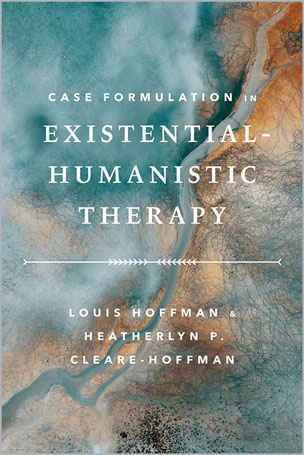
Louis Hoffman, Heatherlyn P. Cleare-Hoffman
#Existential
#Humanistic
#Therapy
#Treatment
📘 این کتاب یک چارچوب غیرسلسلهمراتبی و رهاییبخش برای فرمولبندی مورد در درمان اگزیستانسیال–انسانگرا (Existential–Humanistic, EH) ارائه میدهد که میان ساختارمندی و انعطافپذیری تعادل برقرار میسازد.
📚 نویسندگان یک الگوی انعطافپذیر طراحی کردهاند که در آن، اصول کلی و همکاری با مراجع بر روشها یا تکنیکهای نسخهمحور و از پیشتعیینشده اولویت دارد. این اثر بر رویکرد پویا و خلاق درمان اگزیستانسیال–انسانگرا تأکید میورزد، در حالی که در عین حال ساختاری فراهم میآورد که یادگیری این رویکرد را برای دانشجویان تسهیل میکند و به درمانگران کمک میکند تا الزامات نظامهای بیمهای و چارچوبهای درمانی ساختارمند را نیز رعایت کنند.
📖 هر بخش از این الگوی فرمولبندی مورد در فصل مستقل خود بهتفصیل شرح داده شده است. این فصلها شامل موارد زیر هستند:
📘 یک مثال بالینی تکرارشونده در سراسر کتاب نشان میدهد که چگونه میتوان هر یک از این بخشها را تکمیل کرد و این مثال با نمونههای بالینی دیگری نیز تکمیل و تقویت میشود.
📑 فهرست مطالب
1. چارچوبی برای فرمولبندی مورد در درمان اگزیستانسیال–انسانگرا
2. رویکردهای درمانی اگزیستانسیال–انسانگرا: شناسایی و ترسیم مداخلات
3. معرفی نمونهٔ بالینی: رشیده
4. روایت کلنگر و مختصر از مراجع
5. شناسایی مسئله یا نگرانی
6. مبانی نظری فرمولبندی مورد
7. برنامهریزی درمان
8. حمایت از رویکردهای درمانی، مواضع و/یا تکنیکها
9. نمونههای بالینی تکمیلی از فرمولبندی مورد در درمان اگزیستانسیال–انسانگرا
📚 نقد و بررسی
بهموقع، این مجلد خلأیی را در ادبیات در حال احیای رواندرمانی اگزیستانسیال–انسانگرا هدف قرار میدهد: کمبود منابع راهنما که بهطور روشن ارزیابی و فرمولبندی مورد در رویکرد اگزیستانسیال–انسانگرا را توضیح دهند. با تکیه بر مجموعهای چشمگیر از پژوهشهای کمی و کیفی، نویسندگان موفق شدهاند چارچوبی عملی و در عین حال وفادار به بنیانهای فلسفی این رویکرد فراهم آورند که هم برای دانشجویان تحصیلات تکمیلی و هم برای متخصصان باتجربه بهراحتی قابل استفاده است. در همین راستا، من با اشتیاق این کتاب را بهعنوان دروازهای به سوی احیای اگزیستانسیال–انسانگرا، هم در کلاس درس و هم در محیط درمانی، توصیه میکنم.
-- کرک جِی. اشنایدر، دکتری
ویراستار *Existential-Integrative Psychotherapy: Guideposts to the Core of Practice*؛ همنویسنده *Existential–Humanistic Therapy, Third Edition*؛ و همنویسنده *The Psychology of Existence: An Integrative, Clinical Perspective*
لوئیس هوفمن و هدرلین کلیر-هوفمن چارچوبی نوآورانه برای فرمولبندی مورد در درمان اگزیستانسیال–انسانگرا معاصر با بعدی رهاییبخش ارائه میدهند. این مجلد با اتکا بر نمونههای بالینی غنی، زمینهٔ اجتماعی–فرهنگی را در مرکز نظریهٔ اگزیستانسیال–انسانگرا قرار میدهد و نظریه را به تعاملات لحظهبهلحظه میان درمانگر و مراجع ترجمه میکند. این کتاب اثری ضروری برای درمانگران، آموزشدهندگان و پژوهشگرانی است که به دنبال درکی دقیق، چندلایه و کلنگر از فرایند درمان هستند.
-- پراتیاشا تومالا-نارا، دکتری
دانشکدهٔ مشاوره، رشد و روانشناسی آموزشی، دانشگاه بوستون، چِستنت هیل، ماساچوست
مطالعهٔ این کتاب برای من بسیار هیجانانگیز بود. این اثر بهروشنی نشان میدهد که چرا رویکردهای اگزیستانسیال–انسانگرا برای هر نوع درمان مبتنی بر عدالت اجتماعی مرکزی و اساسی هستند. نویسندگان چارچوبی از احترام ارائه میدهند که در آن درمان متناسب با زمینههای فرهنگی و تجربههای زیستهٔ مراجعان تنظیم میشود. مطالعهٔ این کتاب حتی از مشاهدهٔ مستقیم جلسات درمانی درمانگران برجسته نیز آموزندهتر است، زیرا هم مداخلات درمانی را نشان میدهد و هم شیوهٔ تفکر درمانگران دربارهٔ توانمندسازی و حمایت از مراجعان را آشکار میسازد. دانشجویان از این کتاب بسیار خواهند آموخت، زیرا چارچوب ارائهشده بر مثالهای موردی متمرکز است و امکان درک عمیق از شکلگیری تدریجی مفهومسازی اگزیستانسیال–انسانگرا را فراهم میکند.
-- هایدی ام. لیویت، دکتری
استاد، گروه روانشناسی، دانشگاه ماساچوست بوستون
کتاب «فرمولبندی مورد در درمان اگزیستانسیال–انسانگرا» یک متن برجسته است که خلأ بزرگی را در ادبیات این حوزه پر میکند. اغلب دانشجویان من از این شکایت دارند که بخش زیادی از ادبیات موجود در درمان اگزیستانسیال و انسانگرا بیش از حد در بنیانهای فلسفی عمیق میشود، اما تبدیل این نظریه به عمل بالینی برایشان دشوار است. این کتاب این وضعیت را تغییر میدهد. درمانگران حرفهای باتجربه و دانشجویان تحصیلات تکمیلی این کتاب را از حیث وضوح و رویکرد عملگرایانه آن بسیار تازه و ارزشمند خواهند یافت. این اثر برای هر درمانگری که قصد دارد در چارچوب اگزیستانسیال–انسانگرا به فرمولبندی مورد و برنامهریزی درمان بپردازد، مطالعهای ضروری است.
-- برنت دین رابینز، دکتری
استاد روانشناسی، دانشگاه پوینت پارک، پیتسبورگ، پنسیلوانیا
تمامی درمانگران و دانشجویان درمان اگزیستانسیال–انسانگرا احتمالاً از انتشار این کتاب استقبال خواهند کرد. این اثر نوعی ساختار منعطف ارائه میدهد که میتواند اضطراب ناشی از «ندانستن» در میان دانشجویان، دانشی که در استادان و سوپروایزرها بهصورت بیاننشده وجود دارد، و سردرگمی درمانگران باتجربه را تا حدی سامان دهد—در حالی که آزادی لازم برای حفظ سبکهای تلفیقی فردی درمانگران را نیز حفظ میکند. هر دوره آموزشی در زمینه نظریه و عمل درمانهای اگزیستانسیال و انسانگرا میتواند از این کتاب بهرهمند شود.
-- برایان اس. هانا، PsyD
روانشناس بالینی دارای مجوز، خدمات روانشناسی هانا، پارک ریج، ایلینوی
این کتاب خلأیی اساسی را برای کسانی پر میکند که به دنبال مفهومسازی مورد در چارچوب اگزیستانسیال–انسانگرا هستند. رویکرد آن به فرمولبندی مورد هم عملی و هم انعطافپذیر است و بر همکاری با مراجع تأکید دارد. این اثر برای رواندرمانگران، متخصصان تشخیص بالینی، پزشکان و پژوهشگران (از جمله پژوهشگران مطالعات پیامد درمان) مطالعهای ضروری است و برای درمانگران باتجربه و دانشجویان در حال آموزش ارزش بسیار بالایی دارد.
-- دن هاکوی، دکتری
روانشناس بالینی دارای مجوز؛ ویراستار مشاور *The Humanistic Psychologist*؛ رئیس کالج گادرد، پلینفیلد، ورمانت
👤 درباره نویسندگان
لوئیس هوفمن، دکتری روانشناسی، روانشناس دارای مجوز و فعال در بخش خصوصی است و مدیر اجرایی انجمن مشاوره و روانشناسی انسانگرای راکی ماونتین میباشد. او نویسندهای پرکار است که بیش از ۲۰ کتاب و بیش از ۱۰۰ مقاله و فصل کتاب منتشر کرده است. از آثار او میتوان به دستنامه APA روانشناسی انسانگرا و اگزیستانسیال، اروس و روان: چشماندازهای اگزیستانسیال دربارهٔ جنسیت، روانشناسی اگزیستانسیال شرق–غرب (جلد ۱ و ۲) و شدن یک درمانگر اگزیستانسیال–انسانگرا اشاره کرد. او عضو وابسته انجمن روانشناسی آمریکا و شش بخش آن بوده است و همچنین برنده جایزه رولُو می از انجمن روانشناسی انسانگرا است. او در هیئت تحریریه چندین مجله علمی از جمله Journal of Humanistic Psychology فعالیت دارد و سردبیر آینده The Humanistic Psychologist خواهد بود.
هدرلین پی. کلیر-هوفمن، دکترای روانشناسی، روانشناس بالینی در مرکز سلامت گالوگلی در دانشگاه کلرادو در کلرادو اسپرینگز است. او پیشتر بهعنوان معاون آموزش بالینی در دانشگاه آرگوسی در منطقه خلیج سانفرانسیسکو، عضو هیئت علمی در دانشگاه راکیز و مدیر بالینی در مرکز رشد فعالیت داشته است. او اصالتاً اهل باهاما است و تحصیلات روانشناسی خود را در باهاما، کانادا و ایالات متحده انجام داده است. او سخنران اصلی دوازدهمین کنفرانس سالانه انجمن روانشناسی انسانگرا در سال ۲۰۱۹ بوده است. حوزههای پژوهشی او شامل روانشناسی چندفرهنگی، روانشناسی بینالمللی، آیینها و جشنهای فرهنگی و پیامدهای روانشناختی جشن Junkanoo برای مردم باهاما است. او همچنین همویرایشگر کتاب رویکردهای انسانگرایانه به چندفرهنگگرایی و تنوع: چشماندازهایی بر وجود و تفاوت میباشد.
This book presents a nonhierarchical, liberatory case formulation framework for existential–humanistic (EH) therapy that balances structure and adaptability.
The authors have developed a flexible template that prioritizes general principles and client collaboration over scripted procedures or techniques. It emphasizes EH therapy’s dynamic, creative approach while offering a structure that makes EH therapy easy to learn for students and to help practitioners meet insurance needs and to operate within regimented treatment settings.
Each section of the case formulation template is detailed in its own chapter. These chapters cover:
A recurring case example illustrates how to fill out each of these sections and is supplemented by other case examples.
Table of Contents
1. A Framework for Existential–Humanistic Case Formulation
2. Existential–Humanistic Treatment Approaches: Identifying and Mapping Interventions
3. Case Example Introduction: Rasheeda
4. Brief Holistic Client Narrative
5. Concern or Problem Identification
6. Theoretical Aspects of the Case Formulation
7. Treatment Planning
8. Support for Treatment Approaches, Stances, and/or Techniques
9. Additional Case Illustrations of Existential–Humanistic Case Formulation
Just in time, this volume addresses a gap in the resurging literature on existential–humanistic psychotherapy: the scarcity of guidebooks elucidating existential–humanistic assessment and case formulation. Drawing on an impressive array of quantitative and qualitative research, the authors have managed to put together a practical and philosophically faithful framework that can be readily accessed by both graduate-level trainees and seasoned professionals. In that light I am thrilled to recommend this book as a gateway to an existential–humanistic revival, both in the classroom and the clinic.
-- Kirk J. Schneider, PhD, editor of Existential-Integrative Psychotherapy: Guideposts to the Core of Practice; coauthor of Existential–Humanistic Therapy, Third Edition; and coauthor of The Psychology of Existence: An Integrative, Clinical Perspective
Hoffman and Cleare-Hoffman provide an innovative framework for contemporary existential–humanistic case formulation with a liberatory dimension. Drawing on rich clinical illustrations, this unique volume centers sociocultural context in existential–humanistic theory and translates theory to moment-to-moment interactions between client and therapist. It is a must-read volume for practitioners, educators, and researchers interested in a nuanced and holistic understanding of therapeutic process.
-- Pratyusha Tummala-Narra, PhD, Department of Counseling, Developmental and Educational Psychology, Boston College, Chestnut Hill, MA
I was thrilled to read this book! It makes clear why existential–humanistic approaches are central to any social justice-oriented therapy. e authors provide a foundation of respect in which therapy is tailored to clients within their own cultural contexts and experiences. Reading this book is even better than being able to peer into the sessions of eminent therapists, because you can both see their interventions and hear their thoughts on how best to empower and support clients. Students will love that the framing of the book is centered on focused case examples, allowing for a rich clinical understanding of how EH conceptualization develops across time when working with a client. I have long admired the leadership and expertise that these authors bring to existential–humanistic psychotherapy and appreciate the sensitivity they bring to each page. Students will learn how to apply interventions, but they will learn so much more as well. e text supports them to become truly responsive therapists in the service of their clients.
-- Heidi M. Levitt, PhD, Professor, Department of Psychology, University of Massachusetts Boston
Case Formulation in Existential–Humanistic Therapy is a landmark text that fills an enormous gap in the literature. Often my students complain that much of the current literature in existential and humanistic therapy digs deep into the philosophical foundations of the practice, but they find it difficult to translate the theory into practice. This book changes the game. Experienced professional therapists and graduate students will find this book to be refreshingly clear and pragmatic in its focus. This book is essential reading for therapists who wish to learn how to navigate the task of approaching case formulation and treatment planning within an existential–humanistic framework. -- Brent Dean Robbins, PhD, Professor of Psychology, Point Park University, Pittsburgh, PA
All practitioners and learners of existential–humanistic therapy are likely to rejoice at the release of this book. It provides the type of loose structure that will help contain the anxious unknowing of trainees, the unarticulated knowing of professors and supervisors, and the floundering frustrations of established clinicians alike—all while giving EH practitioners the freedom to maintain their unique integrative styles. Any course that teaches the theory and practice of existential and humanistic therapies would benefit greatly from this book.
-- Brian S. Hanna, PsyD, Licensed Clinical Psychologist, Hanna Psychological Services, Park Ridge, IL
This book fills a critical void for those seeking case conceptualization from an existential–humanistic orientation. Its approach to case formulation is practical and flexible, and it emphasizes collaboration with clients. It will be essential reading for psychotherapists, diagnostic clinicians, as well as medical doctors and researchers (e.g., of therapeutic outcome studies) and will be invaluable to both seasoned practitioners and students in training.
-- Dan Hocoy, PhD, Licensed Clinical Psychologist; Consulting Editor, The Humanistic Psychologist; and President, Goddard College, Plainfield, VT
About the Authors
Louis Hoffman, PhD, is a licensed psychologist in private practice and the executive director of the Rocky Mountain Humanistic Counseling and Psychological Association. An avid writer, Dr. Hoffman has published over 20 books and 100 journal articles and book chapters. His books include the APA Handbook of Humanistic and Existential Psychology, Eros & Psyche: Existential Perspectives on Sexuality, Existential Psychology East-West (Volumes 1 & 2), and Becoming an Existential–Humanistic Therapist. He has been recognized as a fellow of the American Psychological Association and six of its divisions (1: The Society for General Psychology & Interdisciplinary Inquiry; 10: Society for the Psychology of Aesthetics, Creativity, & the Arts; 32: Society for Humanistic Psychology; 36: Society for Psychology of Religion and Spirituality; 48: Society for the Study of Peace, Conflict and Violence: Peace Psychology Division; & 52: International Psychology) and is a recipient of the Rollo May Award of the Society for Humanistic Psychology. He serves on the editorial boards of the Journal of Humanistic Psychology (as senior international editor) and the Journal of Constructivist Psychology. He is the incoming editor of The Humanistic Psychologist and will assume the full-time editor role in 2026.
Heatherlyn P. Cleare-Hoffman, PsyD, is a staff psychologist at the Gallogly Wellness Center at the University of Colorado at Colorado Springs. She previously served as the associate director for Clinical Training at Argosy University, San Francisco Bay Area; core faculty at the University of the Rockies; and clinical director at the Center for Growth. Originally from the Bahamas, Dr. Cleare-Hoffman studied psychology in the Bahamas, Canada, and the United States before obtaining her psychology degree. She was a keynote speaker at the Society for Humanistic Psychology’s 12th Annual Conference in 2019. Dr. Cleare-Hoffman’s research interests include multicultural psychology, international psychology, cultural rituals and festivals, and the psychological implications of Junkanoo for Bahamians. She is coeditor of Humanistic Approaches to Multiculturalism and Diversity: Perspectives on Existence and Difference.