ثبت نام / ورود
0
ثبت نام / ورود
0
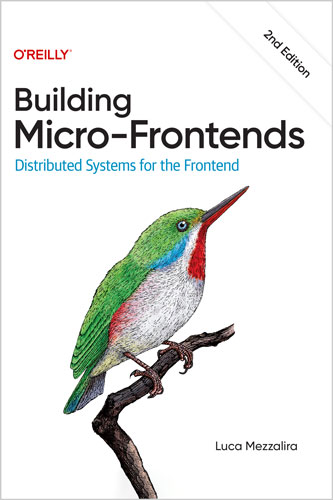
Distributed Systems for the Frontend
Luca Mezzalira
#Frontend
#micro-frontend
#microservices
#web_applications
🚀 در این ویرایش دوم و بهروز شده، معماران نرمافزار، مدیران فنی (tech leads) و توسعهدهندگان نرمافزار یاد میگیرن که چطور میکرو فرانتاندهای مستقلی رو طراحی، پیادهسازی و دیپلوی کنن که در کنار هم، یک سیستم فرانتاند یکپارچه و منحصر به فرد رو تشکیل میدن.
👨💻 لوکا مِتساليرا، نویسنده کتاب و معمار ارشد راهکارهای تخصصی سرورلس در AWS، به شما نشون میده که چطور میکرو فرانتاندها باعث افزایش چابکی (agility) در سازمان، غیرمتمرکز کردن تصمیمگیریها و بهینهسازی جریان کاری برای رسیدن به سرعت بالا میشن.
✨ این معماری به سازمان شما انعطافپذیری فنی میده و بهتون اجازه میده طیف وسیعتری از استعدادها رو استخدام و حفظ کنید. میکرو فرانتاندها همچنین از تیمهای توزیعشده (distributed) یا متمرکز (colocated) به شکل کارآمدتری پشتیبانی میکنن. با استفاده از تکنیکهای اثباتشده برای افزایش سرعت تحویل، استقلال و مقیاسپذیری، همین امروز استراتژی فرانتاندتون رو متحول کنید.
🎯 چیزهایی که یاد میگیرید:
🚀 با چهار ستون اصلی موفقیت در میکرو فرانتاند، سرعت تحویل محصول رو افزایش بدید.
💡 از اصول و بهترین شیوههای عملی (best practices) برای توانمندسازی تیمهاتون استفاده کنید.
🧭 با مزایا و معایب (pitfalls) معماری میکرو فرانتاند آشنا بشید و هوشمندانه تصمیم بگیرید.
🔗 میکرو فرانتاندها رو به صورت یکپارچه با میکروسرویسها و سیستمهای توزیعشده ادغام کنید.
🛠️ راهکارهای میکرو فرانتاند سمت کلاینت (client-side) و سمت سرور (server-side) رو برای رسیدن به حداکثر تأثیر، معماری کنید.
فصل ۱: اصول میکرو فرانتاند (Micro-Frontend Principles)
فصل ۲: معماریها و چالشهای میکرو فرانتاند (Micro-Frontend Architectures and Challenges)
فصل ۳: کشف معماریهای میکرو فرانتاند (Discovering Micro-Frontend Architectures)
فصل ۴: میکرو فرانتاندها با رندر سمت کلاینت (Client-Side Rendering Micro-Frontends)
فصل ۵: میکرو فرانتاندها با رندر سمت سرور (Server-Side Rendering Micro-Frontends)
فصل ۶: اتوماسیون در میکرو فرانتاند (Micro-Frontend Automation)
فصل ۷: کشف و دیپلوی میکرو فرانتاندها (Discover and Deploy Micro-Frontends)
فصل ۸: پایپلاین اتوماسیون برای میکرو فرانتاندها: یک مطالعه موردی (Automation Pipeline for Micro-Frontends: A Case Study)
فصل ۹: الگوهای بکاند برای میکرو فرانتاندها (Backend Patterns For Micro-Frontends)
فصل ۱۰: ضدالگوهای رایج در پیادهسازی میکرو فرانتاند (Common Antipatterns in Micro-Frontend Implementations)
فصل ۱۱: مهاجرت به سمت میکرو فرانتاند (Migrating to Micro-Frontends)
فصل ۱۲: از مونولیت به میکرو فرانتاند: یک مطالعه موردی (From Monolith to Micro-Frontends: A Case Study)
فصل ۱۳: معرفی میکرو فرانتاند در سازمان شما (Introducing Micro-Frontends in Your Organization)
فصل ۱۴: هوش مصنوعی و میکرو فرانتاند: تقویتکننده، نه جایگزین (AI and Micro-Frontends: Augmenting, Not Replacing)
👤 سوال: این کتاب برای چه کسانی مناسبه؟
💡 سوال: ایده نوشتن این کتاب از کجا شروع شد؟
🤔 سوال: آیا کتاب توضیح میده که میکرو فرانتاند چیه و چرا ارزشمنده؟
🌟 سوال: استفاده از میکرو فرانتاند چه مزایایی داره؟
🔄 سوال: ویرایش دوم چه تفاوتی با ویرایش اول داره؟
لوکا مِتساليرا (Luca Mezzalira) از سال ۲۰۰۴ در این صنعت حضور داره و تخصص خودش رو عمدتاً در زمینه معماری راهکارها (solution architecture) به کار گرفته. او به خاطر ایجاد تحول در مقیاسپذیری معماریهای فرانتاند با استفاده از میکرو فرانتاندها، از افزایش بهرهوری جریانهای کاری گرفته تا تحویل کیفیت در محصولات، مورد تحسین قرار گرفته. لوکا به عنوان یک برقرارکننده ارتباط عالی شناخته میشه که معتقده باید از یک رویکرد تعاملی برای درک و حل مشکلات با ابعاد مختلف استفاده کرد.
به عنوان معمار ارشد راهکارهای تخصصی سرورلس در AWS، او به مشتریان کمک میکنه تا ورکلودهای سرورلس (Serverless workloads) رو به صورت کارآمد طراحی و پیادهسازی کنن. او همچنین بهترین شیوهها برای توسعه معماریهای بومی ابری (cloud-native) رو با جامعه برنامهنویسها در شبکههای اجتماعی خودش به اشتراک میذاره و به حل چالشهای فنی و سازمانی کمک میکنه.
Is your frontend slowing down innovation and complicating team collaboration? Consider micro-frontends—a practical way to break development silos and accelerate feature delivery. In this updated second edition, software architects, tech leads, and software developers will learn how to design, build, and deploy independent micro-frontends that compose unique frontend systems.
Author Luca Mezzalira, principal serverless specialist solutions architect at AWS, shows you how micro-frontends enable agility within an organization, decentralize decision-making, and optimize for fast flow. This gives your organization technical flexibility and allows you to hire and retain a broad spectrum of talent. Micro-frontends also support distributed or colocated teams more efficiently. Start transforming your frontend strategy today with proven techniques for speed of delivery, autonomy, and scale.
Table of Contents
Chapter 1. Micro-Frontend Principles
Chapter 2. Micro-Frontend Architectures and Challenges
Chapter 3. Discovering Micro-Frontend Architectures
Chapter 4. Client-Side Rendering Micro-Frontends
Chapter 5. Server-Side Rendering Micro-Frontends
Chapter 6. Micro-Frontend Automation
Chapter 7. Discover and Deploy Micro-Frontends
Chapter 8. Automation Pipeline for Micro-Frontends: A Case Study
Chapter 9. Backend Patterns For Micro-Frontends
Chapter 10. Common Antipatterns in Micro-Frontend Implementations
Chapter 11. Migrating to Micro-Frontends
Chapter 12. From Monolith to Micro-Frontends: A Case Study
Chapter 13. Introducing Micro-Frontends in Your Organization
Chapter 14. AI and Micro-Frontends: Augmenting, Not Replacing
Q: Who This Book Is For
A: This book is for developers, architects, and tech leaders who are looking to scale their organizations and frontend applications. It’s a collection of mental models, implementations and case studies useful for approaching any micro-frontend architecture. In these pages, you can find the principles and the solutions applied for every approach implemented thus far. Following these practices, you will be able to achieve a micro-frontend project with the right mindset and overcome common challenges your teams are going to face during the journey.
Q: How did this book get started?
A: I started thinking about micro-frontends in 2015, and during the following years I had the opportunity to implement them in a large-scale organization with distributed teams composed of hundreds of developers and to explain their benefits and their pitfalls. During this time, I also had the opportunity to share this experience in conferences, webinars, and meetups, which gave me the possibility to engage with the community, listening to their stories, answering their questions, and engaging with other companies that embraced this paradigm in different ways. Over this decade, I helped the main Fortune 500 companies implement micro-frontends successfully inside their organizations.
Q: Does the book explain what micro-frontends are and why they're valuable?
A: Yes. The book starts by explaining the core idea of micro-frontends in a way that’s approachable even if you’re new to the concept. It shows how splitting a large application into smaller, independently developed and deployed UI features gives teams more autonomy and speeds up delivery. Beyond the technical side, it also explores the organizational motivations—such as reducing dependencies between teams, aligning work to business domains, and scaling development across large groups—and the technical motivations—including modularity, maintainability, and flexibility in choosing the right tools for each part of the system. This foundation helps readers understand not just what micro-frontends are, but also why they have become a powerful architectural choice for modern frontend applications.
Q: What benefits does using micro-frontends provide?
A: The micro-frontends architecture enables organizations to scale their teams effectively by allowing different groups to work independently on distinct parts of the user interface. This reduces inter-team dependencies and bottlenecks and helps deliver features faster and more reliably. By breaking the frontend into modular, self-contained micro-frontends, each team can take full ownership of its bounded context, from development to deployment and maintenance, without waiting on others. This autonomy not only speeds up delivery but also fosters accountability, higher code quality, and innovation. In practice, large applications can evolve more sustainably over time, with new features added or replaced incrementally instead of through risky large-scale rewrites.
Q: What’s the difference from the 1st edition?
A: The 2nd edition is a major update rather than a minor refresh. I removed two chapters and the appendix that were no longer relevant, and added five brand new chapters that reflect the latest practices in the field. Every existing chapter has been revised and expanded with insights gained from real-world implementations in companies ranging from mid-sized organizations to some of the largest enterprises in the world. The result is a more practical and battle-tested guide that goes beyond theory to show what actually works when adopting micro-frontends at scale today.
About the Author
Luca has been associated with the industry since 2004 and has lent his expertise predominantly in the solution architecture field. He earned accolades for revolutionizing the scalability of frontend architectures with micro-frontends, from increasing the efficiency of workflows to delivering quality in products. Lucas is known as an excellent communicator who believes in using an interactive approach for understanding and solving problems of varied scopes.
As Principal Serverless Specialist Solutions Architect at AWS, he helps customers to design and implement Serverless workloads efficiently. He also shares with the community best practices to develop cloud-native architectures solving technical and organizational challenges in his social accounts.