ثبت نام / ورود
0
ثبت نام / ورود
0
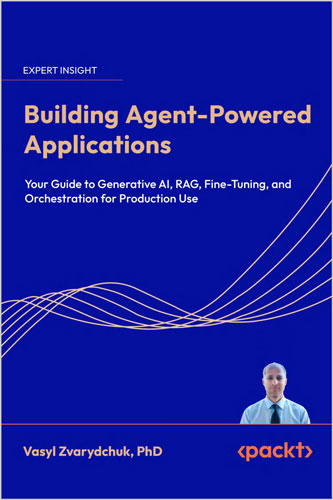
Your guide to generative AI, RAG, fine-tuning, and orchestration for production use
Vasyl Zvarydchuk, Ph.D.
#LLM
#RAG
#NLP
#AI_Engineer
🤖 از آزمایشهای اولیه تا ساخت اپلیکیشنهای Agentic واقعی
🚀 کتاب Building Agent-Powered Applications کمک میکنه با استفاده ترکیبی از Prompting، RAG، Fine-Tuning و Agentها، از مرحله آزمایش عبور کنی و به ساخت اپلیکیشنهای واقعی مبتنی بر LLM برسی. این کتاب مسیر طراحی، ارزیابی و Deployment سیستمهای Generative AI را با تمرکز بر Reliability، Scalability و Safety توضیح میده.
✨ ویژگیهای کلیدی
🧩 یاد میده اپلیکیشنهای LLM را با ترکیب Prompting، RAG، Fine-Tuning و Agentها طراحی کنی.
📊 نحوه ارزیابی Reliability، Quality و Safety را در Workflowهای واقعی هوش مصنوعی بررسی میکنه.
🏗️ ساخت سیستمهای Generative AI آماده Production را همراه با Trade-Offهای عملی معماری آموزش میده.
🤝 نشان میده Prompting، RAG، Fine-Tuning و Agentها در عمل چطور در کنار یکدیگر کار میکنن و چه زمانی باید از هرکدام استفاده کرد.
📘 توضیح کتاب
💡 Large Language Modelها میتونن Demoهای چشمگیری تولید کنن؛ اما تبدیل آنها به محصولات قابلاعتماد فقط با نوشتن Promptهای بهتر ممکن نیست. برای ساخت یک سیستم واقعی باید رفتار Model را درک کنی، بدونی چه زمانی Retrieval یا Fine-Tuning مناسبه، Agentها را درست ساختاربندی کنی و پیش از Deployment، کل سیستم را ارزیابی کنی.
🏗️ کتاب Building Agent-Powered Applications دیدی End-to-End و مهندسی درباره ساخت راهکارهای Generative AI آماده Production ارائه میده. این کتاب را Vasyl Zvarydchuk، Principal AI Engineer در Microsoft، نوشته و به Software Engineerها، Data Scientistها و متخصصان Applied AI کمک میکنه از Concept به Implementation برسن.
🧠 مسیر آموزشی با مبانی AI و NLP، Embeddingها، Transformerها و رفتار LLMها شروع میشه. سپس به Prompt Engineering، Summarization، Classification، Information Extraction، Reasoning، RAG و Fine-Tuning میرسه.
🤖 کتاب نحوه طراحی Workflowهای Agentic را با Toolها، Memory، Planning، Orchestration و کنترلهای Human-in-the-Loop توضیح میده. این اجزا کمک میکنن Agentها فقط پاسخ تولید نکنن، بلکه برای انجام Taskهای پیچیده برنامهریزی کنن، از ابزارها استفاده کنن و در نقاط حساس تحت نظارت انسان باقی بمونن.
📊 برای سنجش Quality، با Offline Testing و Online Testing، Metricهای مخصوص هر Task، روشهای LLM-as-a-Judge و بررسیهای Responsible AI آشنا میشی. این ارزیابیها کمک میکنن Failure Modeها پیش از Deployment شناسایی و کنترل بشن.
🔗 کتاب Prompting، RAG، Fine-Tuning و Agentها را موضوعاتی جدا از هم در نظر نمیگیره؛ بلکه نشان میده این روشها در پروژههای عملی چطور با هم ترکیب میشن. همین رویکرد کمک میکنه برای هر مسئله، معماری مناسبتری انتخاب کنی و میان Accuracy، Cost، Complexity، Reliability و Scalability تعادل برقرار کنی.
🎯 پس از مطالعه کتاب، میتونی Trade-Offهای معماری را بهتر ارزیابی کنی، Failure Modeها را کاهش بدی و اپلیکیشنهای AI مقیاسپذیر، قابلاعتماد و مسئولانهای بسازی که از مرحله Concept و Experiment عبور کرده و برای محیط Production آمادهاند.
🎯 چیزهایی که یاد میگیری
🧠 با LLMها، Transformerها، Embeddingها و فرایند Inference آشنا میشی و نحوه عملکرد آنها را درک میکنی.
✍️ یاد میگیری Prompt Engineering را برای دستیابی به رفتار قابلاعتمادتر Model به کار بگیری.
🔍 میتونی RAG Pipelineهایی بسازی که Grounding و Accuracy پاسخها را بهبود میدن.
⚖️ یاد میگیری متناسب با نیاز پروژه، میان Prompting، RAG و Fine-Tuning انتخاب درستی داشته باشی.
📝 میتونی Taskهای مختلف NLP، از Summarization و Classification تا Information Extraction، Generation، Question Answering و Reasoning را حل کنی.
🤖 یاد میگیری AI Agentهایی مجهز به Tool، Memory و Planning طراحی و پیادهسازی کنی.
📊 میتونی Agentها و اپلیکیشنهای LLM را با Metricهای عملی، Offline و Online Testing و روش LLM-as-a-Judge ارزیابی کنی.
🚀 یاد میگیری سیستمهای AI قدرتمند، مقیاسپذیر و مسئولانه را برای محیط Production آماده و Deploy کنی.
👤 این کتاب برای چه کسانیه؟
💻 این کتاب برای AI Engineerها، Data Scientistها، Software Engineerها، متخصصان Applied AI، Technical Leadها و Product Managerهایی با رویکرد مهندسی نوشته شده که میخوان با LLMها و AI Agentها اپلیکیشنهای آماده Production بسازن.
🔄 مطالب برای افرادی هم مناسبه که از Software Development سنتی یا Classical Machine Learning وارد حوزه سیستمهای Generative AI میشن و میخوان ارتباط میان Prompting، RAG، Fine-Tuning، Agentها و Evaluation را در پروژههای واقعی درک کنن.
📌 برای مطالعه کتاب باید با برنامهنویسی در Python یا زبانی مشابه راحت باشی و مفاهیم اصلی Software Engineering مثل APIها، Data Structureها و Integration را درک کنی. تجربه قبلی در Deep Learning یا Training مدلهای LLM لازم نیست.
📖 فهرست مطالب
فصل ۱. مبانی Artificial Intelligence و Natural Language Processing
فصل ۲. درک Large Language Modelها
فصل ۳. Prompt Engineering
فصل ۴. درک Language Taskها
فصل ۵. Generation، Question Answering و Reasoning
فصل ۶. Retrieval-Augmented Generation
فصل ۷. Fine-Tuning مدلهای LLM
فصل ۸. بررسی معماری AI Agentها
فصل ۹. ساخت AI Agentها
فصل ۱۰. ارزیابی اپلیکیشنهای LLM و Agentها
👤 درباره نویسنده
🧠 Vasyl Zvarydchuk یک Principal AI Engineer، Applied Data Scientist و پژوهشگر با بیش از پانزده سال تجربه در ساخت سیستمهای مبتنی بر AI و Data-Driven است.
⚙️ تخصص او حوزههای Software Engineering، Artificial Intelligence، Machine Learning و Data Science را پوشش میده و دیدگاه عمیق پژوهشی را با تجربه عملی مهندسی ترکیب میکنه.
☁️ او در طراحی و معماری سیستمهای بزرگمقیاس، Distributed و Cloud-Based فعالیت کرده و در ارائه راهکارهای هوشمندی نقش داشته که تأثیر واقعی بر کسبوکارها ایجاد کردهاند.
🔬 تجربه Vasyl هم مبانی نظری AI و هم چالشهای عملی ساخت سیستمهای آماده Production را در بر میگیره.
🎓 او دارای مدرک Ph.D. در رشتههای Artificial Intelligence، Applied Mathematics و Computer Science است.
Move from experimentation to real-world deployment with LLM and agentic applications powered by prompting, RAG, fine-tuning, and evaluation.
Large language models can produce impressive demos, but turning them into reliable products takes more than better prompts. You need to understand model behavior, know when to use retrieval or fine-tuning, structure agents correctly, and evaluate systems before deployment.
Building Agent-Powered Applications gives an end-to-end engineering perspective on creating production-ready generative AI solutions. Written by Microsoft Principal AI Engineer Vasyl Zvarydchuk, it helps software engineers, data scientists, and applied AI practitioners move from concept to implementation. You’ll begin with AI, NLP, embeddings, transformers, and LLM behavior, then progress to prompt engineering, summarization, classification, extraction, reasoning, RAG, and fine-tuning.
The book shows how to design agentic workflows with tools, memory, planning, orchestration, and human-in-the-loop controls. You’ll learn to evaluate quality with offline and online testing, task-specific metrics, LLM-as-a-judge methods, and responsible AI checks. Rather than treating prompting, RAG, fine-tuning, and agents as separate topics, this book shows how they work together in practice. By the end, you’ll be able to make better architectural trade-offs, reduce failure modes, and build scalable, trustworthy AI applications.
This book is for AI Engineers, data scientists, software engineers, applied AI practitioners, technical leads, and engineering-focused product managers who want to build production-ready applications with LLMs and AI agents. It suits readers moving from traditional software development or classical machine learning into generative AI systems. You should be comfortable with programming in Python or a similar language and understand core software engineering concepts such as APIs, data structures, and integration. Prior deep learning or LLM training experience is not required.
About the Author
Vasyl Zvarydchuk is a principal AI engineer, applied data scientist, and researcher with over 15 years of experience building AI-powered and data-driven systems. With expertise across software engineering, artificial intelligence, machine learning, and data science, he brings together deep research insight and practical engineering experience. He has worked on the design and architecture of large-scale, distributed, and cloud-based systems, helping deliver intelligent solutions with real-world business impact. His experience spans both the theoretical foundations of AI and the practical challenges of building production-ready systems. Vasyl holds a Ph.D. in artificial intelligence, applied mathematics, and computer science.