ثبت نام / ورود
0
ثبت نام / ورود
0
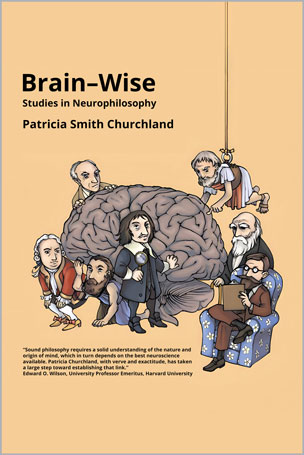
Studies in Neurophilosophy
Patricia S. Churchland
#Brain
#Neurophilosophy
#Metaphysics
#Religion
#Epistemology
🧠 پیشرفتهای علوم اعصاب در حال تغییر عمیق تصور ما از خودمان هستند. برخلاف شهود دیرینه، ذهن در واقع مجموعهای پیچیده از کارکردهای مغز است. همچنین برخلاف امید برخی فیلسوفان، نمیتوان تأثیر انقلابی پژوهشهای مغزی بر درک ما از نحوه عملکرد ذهن را متوقف کرد.
📘 کتاب Brain-Wise دنباله کتاب Neurophilosophy نوشته پاتریشیا اسمیت چرچلند است؛ اثری که به شکلگیری یک زیرحوزه جدید در فلسفه کمک کرد. این کتاب با زبانی روشن و گفتوگومحور، پرسشهای قدیمی درباره ماهیت ذهن را در چارچوب تازه علوم مغز بررسی میکند.
🔬 کتاب میپرسد: مبنای عصبزیستی آگاهی، «خود» و انتخاب آزاد چیست؟ مغز چگونه درباره جهان بیرونی و همچنین دنیای درونی و تأملی خودش یاد میگیرد؟ عصبفلسفه چه چیزی میتواند درباره مبنا و اهمیت تجربههای دینی و اخلاقی به ما بگوید؟
🧩 نویسنده با تکیه بر نتایج پژوهشها در سطوح نورونی، عصبشیمیایی، سیستمی و کل مغز، تصویری بهروز از وضعیت عصبفلسفه ارائه میدهد؛ اینکه چه چیزهایی را میدانیم، چه چیزهایی را هنوز نمیدانیم و این حوزه ممکن است در آینده به کدام سمت حرکت کند.
📖 فهرست مطالب
بخش I. متافیزیک
فصل ۲. مقدمهای بر متافیزیک
فصل ۳. خود و خودشناسی
فصل ۴. آگاهی
فصل ۵. اراده آزاد
بخش II. معرفتشناسی
فصل ۶. مقدمهای بر معرفتشناسی
فصل ۷. مغزها چگونه بازنمایی میکنند؟
فصل ۸. مغزها چگونه یاد میگیرند؟
بخش III. دین
فصل ۹. دین و مغز
📝 نقد و بررسیها
💭 «چرچلند مفهوم زیستیِ خود و غیرخود را بررسی میکند و نشان میدهد این مفاهیم هم از نظر زیستشناختی و هم از نظر فلسفی چه معنایی دارند.»
— ترنس رایلی، MD، JAMA
💭 «این کتاب هم روشن و هم عمیق است و از میان مسائلی عبور میکند که دیگران فقط آنها را مبهمتر میکنند. اگر قرار باشد یکی را بخوانید، همین است.»
— مگی مکدونالد، New Scientist
👤 درباره نویسنده
🎓 پاتریشیا اس. چرچلند استاد بازنشسته فلسفه با عنوان President's Professor of Philosophy Emerita در دانشگاه کالیفرنیا، سندیگو و استاد وابسته در Salk Institute for Biological Sciences است.
📚 او نویسنده کتابهای متعددی از جمله Neurophilosophy و Brain-Wise است که هر دو توسط MIT Press منتشر شدهاند.
Progress in the neurosciences is profoundly changing our conception of ourselves. Contrary to time-honored intuition, the mind turns out to be a complex of brain functions. And contrary to the wishful thinking of some philosophers, there is no stemming the revolutionary impact that brain research will have on our understanding of how the mind works.
Brain-Wise is the sequel to Patricia Smith Churchland's Neurophilosophy, the book that launched a subfield. In a clear, conversational manner, this book examines old questions about the nature of the mind within the new framework of the brain sciences. What, it asks, is the neurobiological basis of consciousness, the self, and free choice? How does the brain learn about the external world and about its own introspective world? What can neurophilosophy tell us about the basis and significance of religious and moral experiences?
Drawing on results from research at the neuronal, neurochemical, system, and whole-brain levels, the book gives an up-to-date perspective on the state of neurophilosophy—what we know, what we do not know, and where things may go from here.
Table of Contents
I Metaphysics
2 An Introduction to Metaphysics
3 Self and Self-Knowledge
4 Consciousness
5 Free Will
II Epistemology
6 An Introduction to Epistemology
7 How Do Brains Represent?
8 How Do Brains Learn?
III Religion
9 Religion and the Brain
Churchland explores the organic concept of self and nonself and what they mean both biologically and philosophically.—Terrence Riley, MD , JAMA—
It is both lucid and profound, cutting through issues where others only obfuscate. The one to read.
—Maggie McDonald, New Scientist—
Patricia S. Churchland is President's Professor of Philosophy Emerita at the University of California, San Diego, and Adjunct Professor at the Salk Institute for Biological Sciences. She is the author of many books, including Neurophilosophy and Brain-Wise (both published by the MIT Press).