ثبت نام / ورود
0
ثبت نام / ورود
0
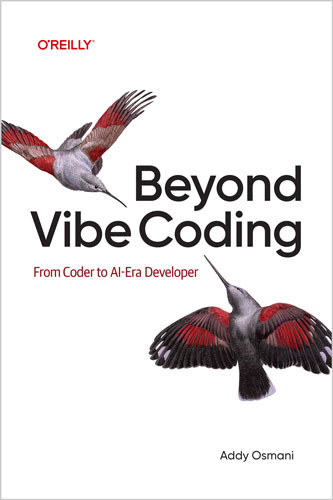
From Coder to AI-Era Developer
Addy Osmani
#Coding
#AI
#AI-Era
#OpenAI
#Codex
#LLM
🤖 هوش مصنوعی در حال دگرگون کردن دنیای توسعهی نرمافزار است — جایی که نقش برنامهنویس از «نوشتن کد» به «همکاری با هوش مصنوعی در یک جریان کاری مبتنی بر هدف (Intent-Driven Workflow)» تغییر میکند.
در این میان، Vibe Coding — رویکردی مبتنی بر «پرامپتنویسی و اکتشاف» که در آن با زبان طبیعی توضیح میدهید چه میخواهید و مدل زبانی بزرگ (LLM) کد را برایتان تولید میکند — نمایانگر تحولی بنیادین در نقش توسعهدهنده است: از نوشتن کد تا هدایت آن.
اما این روش، مانند یک وسیلهی اکتشافی پرسرعت، میتواند شما را به سرعت از مسیر امن منحرف کند.
📘 کتاب «فراتر از Vibe Coding: از برنامهنویس تا توسعهدهنده در عصر هوش مصنوعی» نوشتهی ادی عثمانی (Addy Osmani)، به بررسی این تغییر بنیادین میپردازد و نشان میدهد چگونه دستیارهای هوش مصنوعی مانند GitHub Copilot و OpenAI Codex در حال بازتعریف فرآیند توسعهی نرمافزار هستند — از خودکارسازی وظایف روزمرهی کدنویسی گرفته تا تأثیرگذاری بر تصمیمات طراحی و معماری.
🧠 این کتاب راهنمایی عملی برای توسعهدهندگان، رهبران فنی و سازمانها ارائه میدهد تا بتوانند بهصورت اثربخش هوش مصنوعی را در جریان کاری خود بگنجانند. یاد میگیرید چگونه اهداف و محدودیتها را برای هوش مصنوعی تعریف کنید، کد تولیدشده را با دید انتقادی بازبینی کنید و خروجیها را در قالب سیستمی منسجم ادغام نمایید.
💡 در این کتاب خواهید آموخت:
AI is transforming software development, shifting programmers from writing code to collaborating with AI in an intent-driven workflow. Vibe coding—a prompt-first, exploratory approach where you describe what you want in natural language and let a large language model fill in the blanks—represents a radical shift in the developer's role from writing code todirecting it. However, vibe coding comes with a serious caveat: Like a high-speed exploratory vehicle, it can take you off the beaten path quickly. Beyond Vibe Coding: From Coder to AI-Era Developer explores how AI-powered coding assistants like GitHub Copilot and OpenAI Codex are reshaping the way we build software, from automating routine coding tasks to influencing architecture and design decisions.
Written by Addy Osmani, this guide provides developers, tech leads, and organizations with practical strategies to integrate AI into their workflows effectively. Learn how to formulate clear goals and constraints for the AI, review AI-generated code critically, and integrate those pieces into a coherent whole. Whether you're adopting AI tools today or preparing for the future of software engineering, this book offers insights and hands-on examples to keep your skills sharp in this evolving landscape.
Table of Contents
Part I. Foundations
Chapter 1. Introduction: What Is Vibe Coding?
Chapter 2. The Art of the Prompt: Communicating Effectively with AI
Part II. AI Coding in Practice
Chapter 3. The 70% Problem: AI-Assisted Workflows That Actually Work
Chapter 4. Beyond the 70%: Maximizing Human Contribution
Chapter 5. Understanding Generated Code: Review, Refine, Own
Chapter 6. AI-Driven Prototyping: Tools and Techniques
Chapter 7. Building Web Applications with AI
Part III. Trust and Autonomy
Chapter 8. Security, Maintainability, and Reliability
Chapter 9. The Ethical Implications of Vibe Coding
Chapter 10. Autonomous Background Coding Agents
Chapter 11. Beyond Code Generation: The Future of AI-Augmented Development
Addy Osmani is a senior engineering leader at Google, where he works on developer experience, performance, and AI-powered software development tools. He has 25 years of industry experience building web technologies and has authored multiple books on software engineering best practices.
Addy has worked extensively with AI-driven developer tools, testing and evaluating emerging platforms like Cursor, Cline, Copilot, Bolt, v0, Lovable, and Claude Code. His writing on AI-assisted software development has influenced thousands of developers, and his leadership at Google Chrome has helped shape the future of web performance and AI-augmented developer workflows.
This book distills his deep expertise in software engineering and his hands-on experience with AI-powered coding assistants, offering developers practical strategies to integrate AI into their daily workflow and adapt to the rapidly changing landscape of software development.