ثبت نام / ورود
0
ثبت نام / ورود
0
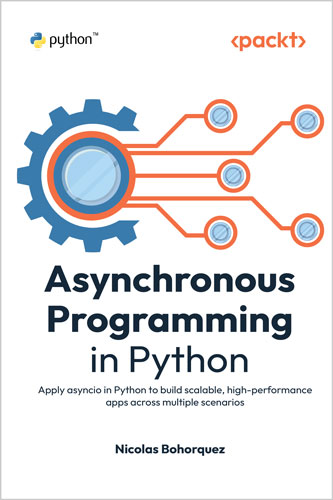
Apply asyncio in Python to build scalable, high-performance apps across multiple scenarios
Nicolas Bohorquez
#Asynchronous
#Python
📘 یه سفر عملی از اصول تا کاربردهای برنامهنویسی ناهمگام (Async) در پایتون، وسط دنیای واقعی و فناوریهای امروزی
✨ ویژگیهای کلیدی
• درک اصول و تئوریهای اصلی برنامهنویسی async در پایتون
• سنجش تأثیر تکنیکهای async در سناریوهای واقعی و عملی
• استفاده از الگوهای async در طراحی نرمافزار و معماریهای دادهمحور
📙 توضیحات کتاب
🚀 برنامهنویسی ناهمگام یکی از مؤثرترین—و البته یکی از بدفهمیدهشدهترین—روشها برای ساخت سیستمهای سریع، مقیاسپذیر و واکنشگرا در پایتونه. Async میتونه عملکرد و بهرهوری رو چند برابر کنه، اما اگر بدون شناخت درست سراغش بری، ممکنه نتیجه بشه طراحی شکننده و دیباگهای اعصابخردکن.
📚 این کتاب یه مسیر ساختارمند بهت میده تا async رو اصولی وارد پروژههات کنی. اول مدل ذهنی لازم برای تفاوت بین اجرای همگام (sync) و ناهمگام (async) رو میسازه و بعد async رو کنار استراتژیهای دیگهٔ همروندی مثل multithreading و multiprocessing قرار میده تا ببینی کِی باید سراغ کدوم بری.
🔧 بعدش، میری سراغ ابزارها و تکنیکهای اصلی async در پایتون.
📏 در ادامه یاد میگیری چطور اثر async رو در سناریوهای واقعی اندازه بگیری، چطور پروفایل و دیباگ async انجام بدی، و چطور با متریکهای واقعی عملکرد رو ارزیابی کنی.
فصلهای آخر هم کاربرد async رو در سیستمهای ابری مثل فریمورکهای وب، دیتابیسها و ابزارهای دیتا پایپلاین پوشش میده.
این کتاب مخصوص توسعهدهندههایی طراحی شده که میخوان async رو با اعتمادبهنفس و بدون سردرگمی وارد کارشون کنن—ترکیبی از مثالهای واقعی و توضیحات بنیادی برای نوشتن کد پایتونی سریع، تمیز و قابل نگهداری.
✨ چه چیزهایی یاد میگیری
• استفاده از generatorها، coroutineها و async/await برای ساخت فانکشنهای مقیاسپذیر
• کار با event loop برای مدیریت concurrency و هماهنگسازی اجرای async
• مقایسهٔ مدلهای مختلف concurrency و انتخاب استراتژی مناسب
• بهینهسازی برنامههای I/O-محور برای افزایش توان عملیاتی و بهرهوری
• ساخت سرویسهای async با APIهای واقعی و کتابخانههای پرکاربرد پایتون
• استفاده از structured concurrency و الگوهای طراحی برای معماری async تمیزتر
• تست و دیباگ کدهای async برای اطمینان از پایداری و قابلیت اعتماد
👤 این کتاب برای چه کسانی است؟
این کتاب برای توسعهدهندههای پایتون طراحی شده که میخوان مدل برنامهنویسی async رو در توسعهٔ اپلیکیشنها، تحلیل داده و سیستمهای ارکستریشن بهکار ببرن.
توسعهدهندههای جونیور، دیتا انجینیرها و تکلیـدها هم با مثالهای طراحی معماری async حسابی ازش بهره میبرن.
📑 فهرست مطالب
۱. پارادایمهای برنامهنویسی همگام و ناهمگام
۲. همروندی و موازیسازی در پایتون
۳. جنریتورها و کوروتینها
۴. پیادهسازی کوروتینها با Greenletها، Asyncio و Trio
۵. بنچمارک: پیادهسازیهای Sync در برابر Async
۶. الگوهای طراحی ناهمگام
۷. برنامهنویسی ناهمگام در Django، FastAPI و Litestar
۸. دسترسی دادهٔ ناهمگام
۹. تسکهای async با Airflow
۱۰. Jupyter Notebookهای ناهمگام
🧑💻 دربارهٔ نویسنده
نیکولاس بوهورکِس یک معمار نرمافزار و کارآفرینه با مدرک کارشناسی ارشد در «علم داده برای سیستمهای اقتصادی پیچیده». از ۹ سالگی برنامهنویسی رو شروع کرده و در طول مسیر کاریش تیمهای متعددی رو در زبانها و پلتفرمهای مختلف رهبری کرده.
بهعنوان یک بنیانگذار، سه شرکت موفق در قارهٔ آمریکا راهاندازی کرده. علاقهٔ همیشگیاش به نوشتن باعث شده کارهای اخیرش روی سیستمهای توزیعشدهٔ پیچیده متمرکز بشه—و اینکه چطور برنامهنویسی async در پایتون میتونه هزینهٔ کل مالکیت سیستمهای ابری رو کاهش بده.
Take a practical journey through the core principles, concepts, and applications of asynchronous programming in Python across real-world environments and technologies.
Asynchronous programming is one of the most effective but often misunderstood techniques for building fast, scalable, and responsive systems in Python. While it can significantly improve performance, efficiency, and sustainability, using async without a clear understanding of its trade-offs can lead to fragile designs and hard-to-debug issues.
This book offers a structured approach to applying asynchronous programming in Python. It begins with a conceptual framework to help you distinguish between synchronous and asynchronous execution models, and shows how async relates to other concurrency strategies such as multithreading and multiprocessing. From there, you will explore the core tools available for building async applications in Python.
You will also learn how to measure the impact of async programming in practical scenarios, profile and debug asynchronous code, and evaluate performance improvements using real-world metrics. The final chapters focus on applying async techniques to common cloud-based systems, such as web frameworks, database interactions, and data-pipelines tools.
Designed for developers looking to apply async programming with confidence, this book blends real-world examples with core concepts to help you write efficient, maintainable Python code.
This book will help Python developers who want to understand and apply the asynchronous programming model in application development, data analysis, and orchestration scenarios. Junior developers, data engineers,, and tech leads will also benefit from the application design examples.
Nicolas Bohorquez is a software architect and entrepreneur with a master's degree in Data Science for Complex Economic Systems. He began programming at the age of nine, and has since led teams across multiple languages and platforms. As a founder, he has launched three successful tech companies across the Americas. Passionate about writing for many years, Nicolas has focused his recent work on complex distributed systems, exploring how asynchronous programming in Python can be effectively applied in real-world scenarios to lower total cost of cloud solutions.