ثبت نام / ورود
0
ثبت نام / ورود
0
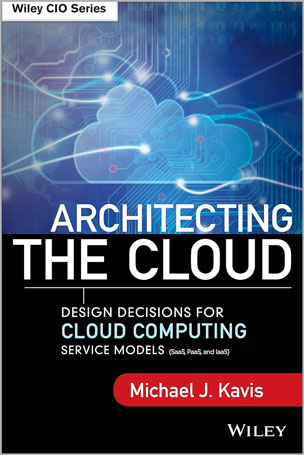
Design Decisions for Cloud Computing Service Models
Michael Kavis
#Cloud
#SLA
#RESTful
#DevOps
An expert guide to selecting the right cloud service model for your business
Cloud computing is all the rage, allowing for the delivery of computing and storage capacity to a diverse community of end-recipients. However, before you can decide on a cloud model, you need to determine what the ideal cloud service model is for your business. Helping you cut through all the haze, Architecting the Cloud is vendor neutral and guides you in making one of the most critical technology decisions that you will face: selecting the right cloud service model(s) based on a combination of both business and technology requirements.
Arming you with the information you need to choose the right cloud service provider, Architecting the Cloud is a comprehensive guide covering everything you need to be aware of in selecting the right cloud service model for you.
Table of Contents
Chapter 1: Why Cloud, Why Now?
Chapter 2: Cloud Service Models
Chapter 3: Cloud Computing Worst Practices
Chapter 4: It Starts with Architecture
Chapter 5: Choosing the Right Cloud Service Model
Chapter 6: The Key to the Cloud: RESTful Services
Chapter 7: Auditing in the Cloud
Chapter 8: Data Considerations in the Cloud
Chapter 9: Security Design in the Cloud
Chapter 10: Creating a Centralized Logging Strategy
Chapter 11: SLA Management
Chapter 12: Monitoring Strategies
Chapter 13: Disaster Recovery Planning
Chapter 14: Leveraging a DevOps Culture to Deliver Software Faster and More Reliably
Chapter 15: Assessing the Organizational Impact of the Cloud Model
Chapter 16: Final Thoughts
Mike Kavis is a veteran IT architect and industry analyst. He has served in technical roles such as chief technology officer, chief architect, and vice president positions with over 25 years of experience building enterprise solutions.
In 2010, as chief technology officer for start-up M-Dot Network, his company won the prestigious Amazon AWS Global Start-Up Challenge. M-Dot built a high-speed micropayments network that processed digital incentives by integrating brick-and-mortar point-of-sale systems into a digital incentive PaaS built entirely on Amazon's AWS public cloud. M-Dot Network was acquired in 2011.