ثبت نام / ورود
0
ثبت نام / ورود
0
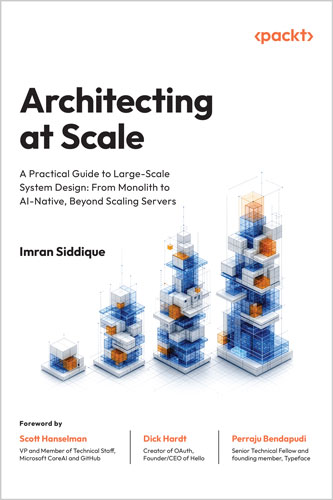
A Practical Guide to Large-Scale System Design: From Monolith to AI-Native, Beyond Scaling Servers
Imran Siddique
#Scale
#System_Design
#MVP
#AI-native
#FinOps
#ShopFlow
#Zero_Trust
🏗️ معماری مقیاسپذیر؛ رشد پایدار بدون پیچیدگی اضافه
🚀 کتاب Architecting at Scale یاد میده چطور سیستمها را با اطمینان مقیاسپذیر کنی و تشخیص بدی چه زمانی سادهسازی، نتیجه بهتری از اضافهکردن فناوری و پیچیدگی داره. مسیر تکامل ShopFlow از یک MVP استارتاپی تا پلتفرمی جهانی و AI-native، زمینهای عملی برای بررسی تصمیمهای واقعی معماری فراهم میکنه.
✨ ویژگیهای کلیدی
⚖️ چارچوب Scale by Subtraction را معرفی میکنه تا ضمن کنترل هزینه و پیچیدگی، قابلیت اطمینان و تابآوری سیستم را افزایش بدی.
🌍 تکامل ShopFlow از یک MVP تا پلتفرمی جهانی را دنبال میکنه و Trade-offهای واقعی معماری را در زمینه Application، داده، Security، Infrastructure و Operations بررسی میکنه.
🔐 نحوه پیادهسازی Zero Trust، Database Sharding، FinOps و زیرساختهای AI-native با قابلیت Self-healing را آموزش میده.
📘 توضیح کتاب
📈 مقیاسپذیری همیشه به معنی اضافهکردن Server، Service یا ابزارهای بیشتر نیست. این کتاب توضیح میده چطور افزایش موقت تقاضا را از رشد پایدار تشخیص بدی، معماری را با اهداف تجاری هماهنگ کنی و بهجای فرضیات، با استفاده از ROI قابلاندازهگیری درباره قابلیت اطمینان، هزینه و سرعت تحویل تصمیم بگیری.
🛒 داستان آموزشی کتاب، تکامل پلتفرم فرضی ShopFlow از یک MVP استارتاپی تا یک پلتفرم جهانی و AI-native را دنبال میکنه. در طول این مسیر، با Trade-offهای واقعی در طراحی Application، مدیریت داده، Security، Infrastructure و عملیات روبهرو میشی.
⚙️ سناریوهای عملی کمک میکنن تشخیص بدی چه زمانی باید Vertical Scaling یا Horizontal Scaling را انتخاب کنی، Serviceها را از هم جدا کنی، Databaseها را Shard کنی، معماری امنیتی Zero Trust را پیادهسازی کنی یا سراغ Automation مبتنی بر AI بری.
🧩 چارچوب Scale by Subtraction یکی از ایدههای محوری کتابه. این رویکرد نشون میده چطور میشه اجزای غیرضروری را حذف کرد، سربار عملیاتی را کاهش داد و بدون گرفتارشدن در Overengineering، تابآوری سیستم را افزایش داد.
🧠 کتاب به قلم عمران صدیق، Principal Group Engineering Manager در Microsoft، نوشته شده که بیش از ۱۷ سال تجربه ساخت سیستمهای Hyperscale داره. مطالب کتاب از تجربه او در پلتفرمهای بزرگی مثل Azure SQL، Azure DevOps، Azure Copilot و دیگر سیستمهای مقیاسپذیر Microsoft بهره میبرن.
🎯 بعد از مطالعه کتاب، میتونی تصمیمهای معماری را براساس شواهد و معیارهای واقعی بگیری و Distributed Systemهایی طراحی کنی که بدون تحمیل هزینه یا پیچیدگی غیرضروری، بهشکلی پایدار مقیاسپذیر بشن.
🎯 چیزهایی که یاد میگیری
🧹 یاد میگیری با استفاده از Scale by Subtraction پیچیدگی سیستم را کاهش بدی.
📊 میتونی افزایش موقت Traffic را از رشد پایدار تشخیص بدی.
🔀 یاد میگیری با استفاده از Tipping-point Metricها، زمان مناسب برای جداسازی Serviceها را مشخص کنی.
🗃️ میتونی Databaseها را با حفظ یکپارچگی داده Shard کنی.
🔐 یاد میگیری Distributed Systemها را با Zero Trust و mTLS ایمن کنی.
⚖️ درک میکنی چطور میان سرعت تحویل، Availability و FinOps تعادل برقرار کنی.
🤖 میتونی زیرساختهای AI-native را با استفاده از Agentهای خودمختار طراحی کنی.
👤 این کتاب برای چه کسانیه؟
🏢 این کتاب برای Software Architectها، Engineering Directorها، CTOها و مهندسان Senior یا Staff نوشته شده که میخوان سیستمها، تیمها و شیوههای عملیاتی را بدون ایجاد پیچیدگی غیرضروری مقیاسپذیر کنن.
🛠️ مطالب برای افرادی مناسبه که مسئول تصمیمهای معماری، Distributed Systemها، Cloud Infrastructure، امنیت، قابلیت اطمینان، هزینه و تحویل نرمافزار هستن و میخوان این تصمیمها را براساس معیارهای قابلاندازهگیری بگیرن.
📌 آشنایی پایه با Cloud Computing و شناخت مقدماتی AI Applicationها پیشنهاد میشه؛ بااینحال، کتاب به زبان برنامهنویسی، Vendor یا Technology Stack خاصی وابسته نیست.
📖 فهرست مطالب
فصل ۱. ذهنیت مقیاسپذیری؛ چه زمانی و چرا باید مقیاسپذیر شد؟
فصل ۲. اصول اساسی معماری مقیاسپذیر
فصل ۳. معماری مبتنی بر اولویت Security و Compliance
فصل ۴. مقیاسپذیر کردن لایه تحویل جهانی؛ Edge، CDNها و فراتر از آن
فصل ۵. مقیاسپذیر کردن Web Application مدرن؛ State، Performance و Micro-Frontendها
فصل ۶. معماری Serviceهای مقیاسپذیر؛ تجزیه ساختار و طراحی API
فصل ۷. مقیاسپذیر کردن زیرساخت Serviceها؛ Resilience، Mesh و Compute
فصل ۸. مقیاسپذیری Event-driven؛ جداسازی با Messaging
فصل ۹. استراتژیهای Caching؛ مقیاسپذیری سریعتر و ارزانتر
فصل ۱۰. مقیاسپذیر کردن داده و Databaseها؛ Storage، Queryها و فراتر از آن
فصل ۱۱. Observability؛ مشاهده و درک سیستم
فصل ۱۲. Resilience و High Availability؛ طراحی برای شکست
فصل ۱۳. Performance Tuning و Capacity Planning
فصل ۱۴. بهینهسازی هزینه و بهرهوری با FinOps
فصل ۱۵. معماری AI-first؛ عملگرایی بهجای هیاهو
فصل ۱۶. آزمایش مستمر و سیستم Future-proof
📝 نقد و بررسی
💭 «کتاب Architecting at Scale بهشکلی متقاعدکننده نشون میده که آزمایش، فرایندی نیست که بهعنوان یک لایه اضافی روی معماری قرار بگیره؛ بلکه قابلیتیه که خود معماری باید از آن پشتیبانی کنه. این کتاب با درنظرگرفتن معیارهای تحویل بهعنوان معیاری برای سنجش توانایی سیستم در تکامل، مفهوم Future-proofing را بازتعریف میکنه: انضباطی برای کوچک، قابلمشاهده و برگشتپذیر کردن تغییرات.»
اسکات هنسلمن، VP و Member of Technical Staff در Microsoft و GitHub
💭 «کتاب Architecting at Scale راهنمایی عملی برای تکامل سیستمهای Production در عصر AI است. بررسی Agent Governance در این کتاب به نکته مهمی اشاره میکنه: خودمختاری باید به دست بیاد، محدود بشه و هنگام Runtime تحت کنترل قرار بگیره.»
پراجو بنداپودی، Senior Technical Fellow در Typeface
💭 «کتاب Architecting at Scale راهنمایی کاربردیه که تصمیمهای معماری را به نتایج عملیاتی و اقتصادیای متصل میکنه که رهبران مهندسی واقعاً مسئول آنها هستن.»
آدریان کاککرافت، Technology Advisor در OrionX
💭 «بیشتر تیمهایی که با آنها کار میکنم، Guardrailهای خود را داخل Prompt قرار میدن و اسمش را Governance میذارن. این کتاب استدلالی دشوارتر اما مفیدتر مطرح میکنه: کنترل باید میان تصمیم Agent و اقدام آن قرار بگیره. Earned Autonomy و Runtime Enforcement دو مفهومی هستن که صنعت هنوز خودش را با آنها هماهنگ نکرده است.»
راکیش گوهل، بنیانگذار JUTEQ
👤 درباره نویسنده
🏢 عمران صدیق، Principal Group Engineering Manager در Microsoft است و بیش از ۱۷ سال تجربه در شکلدادن به روند تکامل Azure داره.
🤖 او در حال حاضر رهبری تیم مهندسی جهانی مسئول Azure Copilot و تجربههای AI در GitHub و VS Code را بر عهده داره.
⚙️ عمران صدیق پیشتر پلتفرمهای مهمی را برای Azure for Industries، Azure DevOps و SQL Azure ساخته و همچنین هدایت رشد Microsoft Learn، اکوسیستم آموزشی جهانی این شرکت، را بر عهده داشته است.
🏆 او برنده چندین دوره از رقابتهای Microsoft Global Hackathon Executive Challenges شده و تخصصش بر Distributed Systemهای با Performance بالا متمرکزه.
🎓 عمران صدیق مدرک BTech خود را در رشته Computer Science از VJTI دریافت کرده است.
"This book makes a compelling case that experimentation is not a process layered on top of architecture, but a property the architecture itself must support."- Scott Hanselman, VP, Member of Technical Staff, Microsoft and GitHub
Scale systems confidently by knowing when to simplify instead of adding complexity. You'll learn to distinguish temporary demand spikes from sustained growth, align architecture with business goals, and make decisions that improve reliability, cost efficiency, and delivery speed using measurable ROI instead of assumptions.
Following the evolution of ShopFlow from startup MVP to a global AI-native platform, you'll tackle real-world trade-offs in application design, data, security, infrastructure, and operations. Through practical scenarios, you'll determine when to scale vertically or horizontally, decouple services, shard databases, implement Zero Trust security, and introduce AI-driven automation. Along the way, you'll apply the Scale by Subtraction framework to eliminate unnecessary complexity, reduce operational overhead, and improve system resilience without overengineering.
Written by Imran Siddique, a Principal Group Engineering Manager at Microsoft with over 17 years of experience building hyperscale systems, this book draws on expertise from Azure SQL, Azure DevOps, Azure Copilot, and other large-scale Microsoft platforms.
By the end of this book, you'll be able to make evidence-based architectural decisions and design distributed systems that scale sustainably without unnecessary cost or complexity.
Software architects, engineering directors, CTOs, and senior or staff engineers who need to scale systems, teams, and operational practices without introducing unnecessary complexity. A fundamental understanding of cloud computing and basic familiarity with AI applications are recommended; no specific language, vendor, or technology stack is required.
Review
"Architecting at Scale makes a compelling case that experimentation is not a process layered on top of architecture, but a property the architecture itself must support. By treating delivery metrics as measures of a system's ability to evolve, it reframes 'future-proofing' as the discipline of making change small, observable, and reversible."
Scott Hanselman, VP, Member of Technical Staff, Microsoft and GitHub
"Architecting at Scale is a practical guide to evolving production systems for the AI era. Its treatment of agent governance makes an important point: autonomy must be earned, bounded, and controlled at runtime."
Perraju Bendapudi, Senior Technical Fellow, Typeface
"Architecting at Scale is a practical guide that connects architecture decisions to the operational and economic outcomes engineering leaders actually own."
Adrian Cockcroft - Technology Advisor at OrionX
"Most teams I work with put their guardrails in the prompt and call it governance. This book makes the harder and more useful argument, that the control belongs between the agent's decision and its action. Earned autonomy and runtime enforcement are the two ideas the industry has not caught up to yet."
Rakesh Gohel, Founder, JUTEQ
Imran Siddique is a Principal Group Engineering Manager at Microsoft with over 17 years of experience shaping the evolution of Azure. Currently, he leads the global engineering team powering Azure Copilot and AI experiences across GitHub and VS Code. Previously, Imran built critical platforms for Azure for Industries, Azure DevOps, and SQL Azure. He also directed the growth of Microsoft Learn, the company's global training ecosystem. A winner of multiple Microsoft Global Hackathon Executive Challenges, Imran specializes in high-performance distributed systems and holds a BTech in Computer Science from VJTI.