ثبت نام / ورود
0
ثبت نام / ورود
0
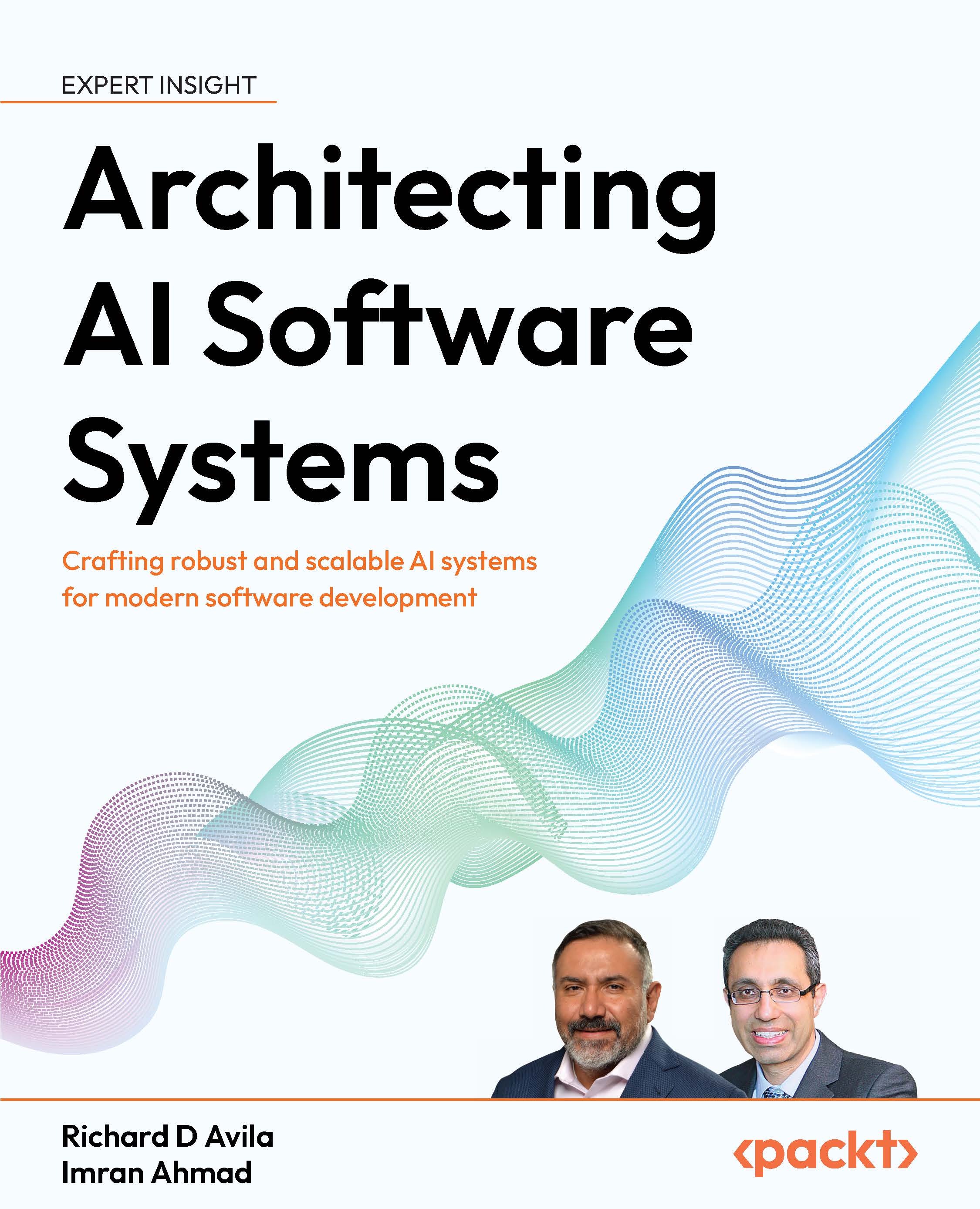
Crafting robust and scalable AI systems for modern software development
Richard D Avila, Imran Ahmad
#AI
#Software_development
#AI/ML
#Software_engineering
🤖 مهندسی هوشمند معماری نرمافزار — تعادلی بین هوش مصنوعی و معماری سنتی
این کتاب یه مسیر کامل برای طراحی سیستمهای نرمافزاری هوشمند، مقیاسپذیر و قابل اعتماد ارائه میده؛ جایی که اصول معماری سنتی با قدرت هوش مصنوعی ترکیب میشن. نویسندهها با نگاه فنی و عملی توضیح دادن چطور دانش معماری، طراحی، تست و ریسکپذیری باید تطبیق پیدا کنه تا سیستمهای AI واقعاً کار کنن، نه فقط شگفتانگیز به نظر برسن.
کتاب Architecting AI Software Systems راهنمای قطعی برای ساخت سیستمهای AI ـمحور با رویکرد معماری متعادل و حسابشدهس.
نویسندهها گامبهگام نشون میدن چطور میشه بین انعطاف الگوریتمهای هوش مصنوعی و ثبات معماری سنتی توازن برقرار کرد.
هر فصل با مثالهای واقعی و تمرین گامبهگام، مفاهیم عملی رو در بستر چندین دامنه متفاوت نشون میده (از معماری Generative AI گرفته تا Pipelineهای یادگیری ماشین).
حتی یه نمونهسیستم فرضی هم طراحی شده تا خواننده واقعاً بتونه نحوهی چیدمان مولفههای AI رو از پایه ببینه.
برای معمارهای نرمافزار و سیستمها، CTOها، VPهای مهندسی، و مهندسهای AI/ML که میخوان دیدی جامع نسبت به معماری سیستمهای هوش مصنوعی داشته باشن.
همچنین برای توسعهدهندههایی که میخوان بدونن تصمیمهای معماری چطور بر مدلهای یادگیری و عملکرد کلی سیستم اثر میذاره، فوقالعادهس.
بخش ۱ – اصول معماری
بخش ۲ – معماری سیستمهای هوش مصنوعی
🧠 ریچارد دی. آویلا (Richard D. Avila)
معمار نرمافزار و سیستم با بیش از بیست سال تجربه در طراحی سیستمهای پیچیده، از شبیهسازیها و سیستمهای خودمختار تا معماری داده و تحلیل هوشمند.
بهعنوان پژوهشگر اصلی (Principal Investigator) در حوزههای مختلف هوش مصنوعی فعالیت دارد و مقالاتی در زمینهی نظریه فرماندهی و کنترل، معماری اطمینان، مدلسازی چندعاملی (Multi-agent) و یادگیری ماشین منتشر کرده.
اولین مدرس رسمی تحلیل داده در دانشگاه مریلند بالتیمور (UMBC) بوده. پیش از مهندسی نرمافزار، افسر زیردریایی در نیروی دریایی ایالات متحده بوده 😎
🧠 عمران احمد (Imran Ahmad)
نویسندهی کتاب مشهور «۵۰ الگوریتمی که هر برنامهنویس باید بداند»، پژوهشگر الگوریتمها و هوش مصنوعی با سابقهی دکتری در ۲۰۱۰ دربارهی الگوریتمهای تخصیص بهینه منابع در محیطهای ابری.
در ۲۰۱۷ چارچوب تحلیل بلادرنگ StreamSensing رو توسعه داد و از اون زمان مقالههای زیادی در زمینهی پردازش چندرسانهای برای آموزش مدلهای ML منتشر کرده.
Discover how to design intelligent software systems by balancing AI and traditional architecture. This guide offers a roadmap for robust, scalable AI-enabled systems, blending principles with practical insights.
Architecting AI Software Systems provides a definitive guide to building AI-enabled systems, emphasizing the balance between AI’s capabilities and traditional software architecture principles.
As AI technologies gain widespread acceptance and are increasingly expected in future applications, this book provides architects and developers with the essential knowledge to stay competitive. It introduces a structured approach to mastering the complexities of AI integration, covering key architectural concepts and processes critical to building scalable and robust AI systems while minimizing development and maintenance risks. The book guides readers on a progressive journey, using real-world examples and hands-on exercises to deepen comprehension. It also includes the architecture of a fictional AI-enabled system as a learning tool. You will engage with exercises designed to reinforce your understanding and apply practical insights, leading to the development of key architectural products that support AI systems. This is an essential resource for architects seeking to mitigate risks and master the complexities of AI-enabled system development.
By the end of the book, readers will be equipped with patterns, strategies and concepts necessary to architect AI-enabled systems across various domains.
This book is designed mainly for software and systems architects responsible for designing and integrating AI capabilities into existing and new systems. It also serves as a valuable resource for CTOs, VPs of Engineering, and aspiring architects seeking a comprehensive understanding of the holistic approach to AI system development. Additionally, AI/ML engineers and software developers will benefit from gaining deeper insights into the architectural principles that underpin AI systems, enabling them to align their work with broader architectural goals
Part 1: Architecting Fundamentals
Chapter 1: Fundamentals of Al System Architecture
Chapter 2: The Case for Architecture
Chapter 3: Software Engineering and Architecture
Part 2: Architecting Al Systems
Chapter 4: Conceptual Design for Al Systems
Chapter 5: Requirements and Architecture for Al Pipelines
Chapter 6: Design, Integration, and Testing
Chapter 7: Architecting a Generative Al System - A Case Study
Chapter 8: Insights and Future Directions
Chapter 9: Unlock Your Book's Exclusive Benefits
About the Authors
Richard D Avila is a software and systems architect with over two decades of industry experience building complex software systems. He has architected and held leadership roles for building a wide array of software systems from complex simulations, autonomy and data analytic systems. He is also a principal investigator for AI topics. He has published in referred journals and industry publications on command-and-control theory, assurance architectures, multi-agent modeling, and machine learning. He was the first expert instructor on data analytics at University of Maryland Baltimore County – Training Centers. Before working as a software and systems architect, he served in the US Navy as a submarine officer. He resides in Annapolis, Maryland USA.
Imran Ahmad is the author of the “50 Algorithms every programmer should know”. He has been a part of cutting-edge research about algorithms and machine learning for many years. He completed his PhD in 2010, in which he proposed a new linear programming-based algorithm that can be used to optimally assign resources in a large-scale cloud computing environment. In 2017, Imran developed a real-time analytics framework named StreamSensing. He has since authored multiple research papers that use StreamSensing to process multimedia data for various machine learning algorithms.