ثبت نام / ورود
0
ثبت نام / ورود
0
Jasminder Kaur Sandhu, Abhishek Kumar, Rakesh Sahu, Sachin Ahuja
#Computer_Vision
#Artificial_Intelligence
#DenseNet
#GANs
#LSTMs
#EEG
#RFID
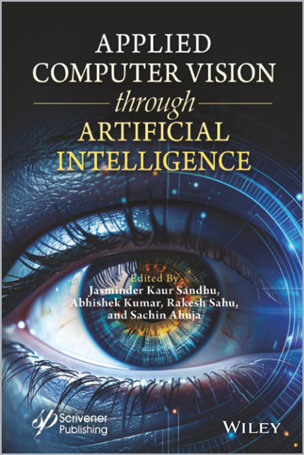
(Applied Computer Vision through Artificial Intelligence)
🔹 درباره کتاب: این کتاب یک راهنمای جامع و قابلفهم برای تسلط بر حوزه پیشرفته بینایی ماشین و هوش مصنوعی است. نویسندگان به طور کامل بررسی میکنند که چگونه یادگیری ماشین (Machine Learning) و یادگیری عمیق (Deep Learning) باعث ایجاد نوآوریهای بزرگ در بینایی ماشین شدهاند.
این مجموعه با همکاری کارشناسان برجسته تهیه شده و موارد زیر را پوشش میدهد:
با تلفیق تئوری و بینشهای عملی، این کتاب شما را به دانش لازم برای درک، طراحی و پیادهسازی راهکارهای بینایی مبتنی بر هوش مصنوعی مجهز میکند.
این مرجع هم برای جامعه دانشگاهی و هم برای مخاطبان حرفهای سازماندهی شده و چالشهای حیاتی، ملاحظات اخلاقی و مسیرهای تحقیقاتی آینده را نیز بررسی میکند. این یک منبع ضروری برای محققان، مهندسان و دانشجویان تحصیلات تکمیلی است که به دنبال کاربرد هوش مصنوعی در حل مسائل پیچیده بینایی ماشین هستند.
مباحث تخصصی در بینایی ماشین و یادگیری عمیق
فصل ۱: مروری بر تشخیصهای پزشکی از طریق تحلیل تصاویر ویدیویی هیستوپاتولوژیک مبتنی بر هوش مصنوعی
فصل ۲: شبکههای مولد تخاصمی (GANs): تئوری و کاربرد در سنتز داده
فصل ۳: از پیکسل تا پیشبینی: یادگیری عمیق برای تشخیص گلوکوم
فصل ۴: پیشرفتها در تشخیص و شناسایی اشیا با استفاده از مدل یادگیری عمیق DenseNet
فصل ۵: تشخیص اخاذی سایبری مبتنی بر یادگیری عمیق
فصل ۶: معرفی کامل GANs: از تئوری تا واقعیتهای مصنوعی
فصل ۷: سیستم احراز هویت خودرو تقویت شده با RFID و بینایی ماشین
فصل ۸: همافزایی تکنیکهای یادگیری گروهی (Ensemble Learning) برای تشخیص قوی احساسات با استفاده از سیگنالهای EEG
فصل ۹: درک ناشناختهها: تبیینپذیری (Explainability) در یادگیری عمیق برای بینایی ماشین
فصل ۱۰: مطالعه مقدماتی در مورد مدلسازی حساسیت به رانش زمین مبتنی بر طبقهبندیکننده باینری Random Forest
فصل ۱۱: بهبود تعاملات دیجیتال با استفاده از واقعیت افزوده (Augmented Reality) و بینایی ماشین
فصل ۱۲: پویایی تکاملی معماریهای یادگیری ماشین و عمیق در بینایی ماشین
فصل ۱۳: کاربردهای دنیای واقعی: تحول صنایع با بینایی ماشین
فصل ۱۴: تحول در درک بصری با فناوریهای ترکیب چندوجهی (Multimodal Fusion)
فصل ۱۵: تشخیص و مکانیابی اشیا: شناسایی و تعیین نقطه دقیق
فصل ۱۶: تخمین عدم قطعیت (Uncertainty Estimation) در بینایی ماشین مبتنی بر یادگیری عمیق
فصل ۱۷: غلبه بر انسدادها (Occlusions) در دادههای بصری با استفاده از شبکههای حافظه کوتاهمدت طولانی (LSTMs)
فصل ۱۸: نقش تحولآفرین معماری یادگیری ماشین و عمیق در بینایی ماشین
فصل ۱۹: تحلیل جامع یادگیری عمیق و ماشین برای بخشبندی معنایی (Semantic Segmentation) و تشخیص اشیا در بینایی ماشینی و رباتیک
فصل ۲۰: از مبانی تئوری تا سنتز داده: کاربردهای پیشرفته شبکههای مولد تخاصمی (GANs)
فصل ۲۱: تکنیکهای بهینهسازی در آموزش شبکههای عصبی عمیق برای بینایی
جاسمیندر کاور ساندو (Jasminder Kaur Sandhu): دکترای روانشناسی، استاد و رئیس دپارتمان یادگیری ماشین و علم داده در دانشگاه IILM. او با بیش از ۱۳ سال سابقه آکادمیک، پژوهشهایی در یادگیری ماشین، مدلسازی گروهی (Ensemble Modelling) و هوش مصنوعی انجام داده است.
آبهیشک کومار (Abhishek Kumar): دکترای روانشناسی، استاد و معاون دپارتمان علوم کامپیوتر در دانشگاه چاندیگار. او یک محقق با بیش از ۱۳ سال سابقه تدریس است و علایق پژوهشی او شامل هوش مصنوعی، سیستمهای انرژی تجدیدپذیر و پردازش تصویر میشود.
راکیش ساهو (Rakesh Sahu): دکترای روانشناسی، محقق و مدرس متعهد با بیش از یک دهه تجربه. او سوابقی چون پسا-دکتری در IIT بمبئی را دارد و پژوهشهای او روی دینامیک یخچالهای هیمالیا و تغییرات اقلیمی متمرکز است.
ساچین آهوجا (Sachin Ahuja): دکترای روانشناسی، دارای سوابق درخشان آکادمیک و پژوهشی. او ویراستار برجستهای است و تمرکز تحقیقاتیاش بر روی هوش مصنوعی، یادگیری ماشین و دادهکاوی است.
Master the cutting-edge field of computer vision and artificial intelligence with this accessible guide to the applications of machine learning and deep learning for real-world solutions in robotics, healthcare, and autonomous systems.
Applied Computer Vision through Artificial Intelligence provides a thorough and accessible exploration of how machine learning and deep learning are driving breakthroughs in computer vision. This book brings together contributions from leading experts to present state-of-the-art techniques, tools, and frameworks, while demonstrating this technology’s applications in healthcare, autonomous systems, surveillance, robotics, and other real-world domains. By blending theory with hands-on insights, this volume equips readers with the knowledge needed to understand, design, and implement AI-powered vision solutions.
Structured to serve both academic and professional audiences, the book not only covers cutting-edge algorithms and methodologies but also addresses pressing challenges, ethical considerations, and future research directions. It serves as a comprehensive reference for researchers, engineers, practitioners, and graduate students, making it an indispensable resource for anyone looking to apply artificial intelligence to solve complex computer vision problems in today’s data-driven world.
Table of Contents
Chapter 1 An Overview of Medical Diagnostics through Artificial Intelligence-Powered Histopathological Imaging and Video Analysis
Chapter 2 Generative Adversarial Networks: Theory and Application in Synthesis
Chapter 3 From Pixels to Predictions: Deep Learning for Glaucoma Detection
Chapter 4 Advancements in Computer Vision for Object Detection and Recognition using DenseNet Deep Learning Model
Chapter 5 Deep Learning-Based Detection of Cyber Extortion
Chapter 6 GANs Unleashed: From Theory to Synthetic Realities
Chapter 7 RFID and Computer Vision-Enhanced Automotive Authentication Verification System
Chapter 8 Synergizing Ensemble Learning Techniques for Robust Emotion Detection using EEG Signals
Chapter 9 Understanding the Unseen: Explainability in Deep Learning for Computer Vision
Chapter 10 Prefatory Study on Landslide Susceptibility Modeling Based on Binary Random Forest Classifier
Chapter 11 Improving Digital Interactions using Augmented Reality and Computer Vision
Chapter 12 The Evolutionary Dynamics of Machine Learning and Deep Learning Architectures in Computer Vision
Chapter 13 Real-World Applications: Transforming Industries with Computer Vision
Chapter 14 Revolutionizing Vision Perception with Multimodal Fusion Technologies
Chapter 15 Object Detection and Localization: Identifying and Pinpointing With Precision
Chapter 16 Uncertainty Estimation in Deep Learning Based Computer Vision
Chapter 17 Overcoming Occlusions in Visual Data using Long Short-Term Memory Networks (LSTMs)
Chapter 18 Transformative Role of Machine Learning and Deep Learning Architecture in Computer Vision
Chapter 19 A Comprehensive Analysis of Deep Learning and Machine Learning for Semantic Segmentation, and Object Detection in Machine and Robotic Vision
Chapter 20 From Theoretical Foundations to Data Synthesis: Advanced Applications of Generative Adversarial Networks (GANs)
Chapter 21 Optimization Techniques in Training Deep Neural Networks for Vision
Jasminder Kaur Sandhu, PhD is a professor and the Head of the Department of Machine Learning and Data Science at IILM University. With over 13 years of academic and research experience, she has published more than 70 research papers in reputed international journals. Her research interests include machine learning, ensemble modelling, artificial intelligence, wireless sensor networks, and soft computing.
Abhishek Kumar, PhD is a professor and the Assistant Director of the Computer Science and Engineering Department at Chandigarh University, Punjab with over 13 years of teaching experience. He is an award-winning researcher that has published more than 170 peer-reviewed papers in international journals of repute. His research interests span artificial intelligence, renewable energy systems, image processing, and data mining.
Rakesh Sahu, PhD is a dedicated academician and researcher with over a decade of experience. He has made significant contributions as a post-doctoral scholar at IIT Bombay and as a faculty member at esteemed institutions, where his work focuses on Himalayan glacier dynamics. His research interests include glacier mapping, modelling, and climate change.
Sachin Ahuja, PhD has an illustrious academic and research career, marked by numerous impactful contributions. An accomplished editor, he has contributed to numerous books and served as a guest editor for special issues in reputed international journals. His research focuses on artificial intelligence, machine learning, and data mining.