ثبت نام / ورود
0
ثبت نام / ورود
0
Michael E. Peskin, Dan V. Schroeder
#Quantum
#Field_Theory
#physics
#quantum_mechanics
#quantum_electrodynamics
#mathematics
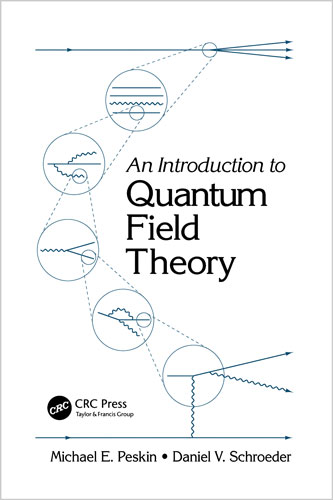
⚛️ کتاب An Introduction to Quantum Field Theory یک کتاب درسی در سطح تحصیلات تکمیلی فیزیک است که موضوعهایی مانند مکانیک کوانتومی نسبیتی، الکترودینامیک کوانتومی و نمودارهای فاینمن را پوشش میدهد. نویسندگان با استفاده از مثالهای دقیق و مرحلهبهمرحله، جنبههای فنی موضوع را توضیح میدهند و همزمان با ارائه توضیحهای شهودی، نشان میدهند در پس فرمولها و محاسبات ریاضی چه مفاهیم فیزیکیای قرار دارند.
🔬 پس از معرفی مبانی الکترودینامیک کوانتومی، نویسندگان به نظریه بازبهنجارش و ارتباط آن با مکانیک آماری میپردازند و سپس گروه بازبهنجارش را معرفی میکنند.
🧩 این مباحث زمینه را برای بررسی اصول فیزیکی حاکم بر برهمکنشهای بنیادی فیزیک ذرات ابتدایی و نحوه توصیف آنها با استفاده از نظریههای میدان پیمانهای فراهم میکنند.
🎓 ساختار کتاب بهگونهای است که دانشجویان ضمن یادگیری ابزارهای محاسباتی نظریه میدان، درک مفهومی مناسبی از مبانی این حوزه نیز به دست میآورند و برای ورود به موضوعهای پیشرفتهتر در فیزیک ذرات، کیهانشناسی و ماده چگال آماده میشوند.
📝 نقد و بررسیها
💭 «این کتاب آنقدر رقیب جدیای برای اثر بیورکن و درل است که نگران حقالتألیف خودمان شدهام.»
— پروفسور جی. دی. بیورکن، Stanford Linear Accelerator Center
💭 «من در چندین دوره تحصیلات تکمیلی از کتاب پسکین و شرودر برای تدریس استفاده کردهام. این کتاب تقریبا تمام ابزارهایی را که یک نظریهپرداز میدان مدرن به آنها نیاز دارد در اختیار دانشجویان قرار میدهد.
این تنها کتاب نظریه میدان است که بازبهنجارش و گروه بازبهنجارش را بهطور کامل از دیدگاه مدرن ویلسونی بررسی میکند. دانشجویان پس از مطالعه آن، آمادگی مناسبی برای مواجهه با مسائل پژوهشی در QCD و نظریه الکتروضعیف خواهند داشت.»
— پروفسور مایکل داین، University of California, Santa Cruz
💭 «پسکین و شرودر کتابی مقدماتی درباره نظریه میدان نوشتهاند که هم انتخاب مطالب در آن مناسب است، هم سطح ارائه درست انتخاب شده و هم تمام مباحث از دیدگاهی کاملا مدرن بیان شدهاند.
این کتاب مقدمهای آموزشی بر ابزارها و مفاهیم نظریه میدان ارائه میدهد که برای دانشجویان ماده چگال، کیهانشناسی و فیزیک ذرات به یک اندازه سودمند خواهد بود.»
— پروفسور جفری هاروی، University of Chicago
📕 متن پشت جلد
کتاب An Introduction to Quantum Field Theory برای دورههای تحصیلات تکمیلی فیزیک طراحی شده و مباحثی مانند مکانیک کوانتومی نسبیتی، الکترودینامیک کوانتومی و نمودارهای فاینمن را پوشش میدهد.
نویسندگان با استفاده از مثالهای دقیق و حلشده، جنبههای فنی موضوع را توضیح میدهند و در کنار آن، تفسیرهای شهودی از مفاهیم فیزیکی پشت محاسبات ریاضی ارائه میکنند.
پس از ارائه مبانی الکترودینامیک کوانتومی، کتاب نظریه بازبهنجارش و ارتباط آن با مکانیک آماری را بررسی کرده و گروه بازبهنجارش را معرفی میکند. این بحثها مقدمهای برای بررسی اصول فیزیکی برهمکنشهای بنیادی ذرات ابتدایی و توصیف آنها در قالب نظریههای میدان پیمانهای فراهم میکنند.
📖 فهرست مطالب
بخش اول. نمودارهای فاینمن و الکترودینامیک کوانتومی
فصل ۱. مقدمهای انگیزشی؛ تولید زوج در نابودی e⁺e⁻
فصل ۲. میدان کلاین ـ گوردون
فصل ۳. میدان دیراک
فصل ۴. میدانهای برهمکنشی و نمودارهای فاینمن
فصل ۵. فرایندهای بنیادی الکترودینامیک کوانتومی
فصل ۶. تصحیحات تابشی؛ مقدمه
فصل ۷. تصحیحات تابشی؛ برخی توسعههای صوری
بخش دوم. بازبهنجارش
فصل ۸. مقدمهای انگیزشی؛ برشهای فرابنفش و نوسانهای بحرانی
فصل ۹. روشهای تابعی
فصل ۱۰. ساختار نظاممند بازبهنجارش
فصل ۱۱. بازبهنجارش و تقارن
فصل ۱۲. گروه بازبهنجارش
فصل ۱۳. نماهای بحرانی و نظریه میدان اسکالر
بخش سوم. نظریههای پیمانهای غیرآبلی
فصل ۱۴. مقدمهای انگیزشی؛ مدل پارتونی ساختار هادرون
فصل ۱۵. ناوردایی پیمانهای غیرآبلی
فصل ۱۶. کوانتش نظریههای پیمانهای غیرآبلی
فصل ۱۷. کرومودینامیک کوانتومی
فصل ۱۸. حاصلضربهای عملگری و رأسهای مؤثر
فصل ۱۹. ناهنجاریهای نظریه اختلال
فصل ۲۰. نظریههای پیمانهای با شکست خودبهخودی تقارن
فصل ۲۱. کوانتش نظریههای پیمانهای با تقارن خودبهخودی شکستهشده
👥 درباره نویسندگان
🎓 مایکل ای. پسکین مدرک دکتری فیزیک خود را از دانشگاه کرنل دریافت کرد و در دانشگاه هاروارد، دانشگاه کرنل و مرکز CEN Saclay در زمینه فیزیک نظری فعالیت پژوهشی داشت.
🔬 او در سال ۱۹۸۲ به Stanford Linear Accelerator Center پیوست و در آنجا بهعنوان استاد فیزیک فعالیت کرد.
🎓 دنیل وی. شرودر در سال ۱۹۹۰ مدرک دکتری فیزیک خود را از دانشگاه استنفورد دریافت کرد.
📚 او پیش از پیوستن به هیئت علمی دانشگاه Weber State University، دورههایی را بهعنوان استاد مهمان در Pomona College و Grinnell College گذراند و سپس بهعنوان دانشیار فیزیک در دانشگاه وبر استیت فعالیت کرد.
An Introduction to Quantum Field Theory is a textbook intended for the graduate physics course covering relativistic quantum mechanics, quantum electrodynamics, and Feynman diagrams. The authors make these subjects accessible through carefully worked examples illustrating the technical aspects of the subject, and intuitive explanations of what is going on behind the mathematics.
After presenting the basics of quantum electrodynamics, the authors discuss the theory of renormalization and its relation to statistical mechanics, and introduce the renormalization group. This discussion sets the stage for a discussion of the physical principles that underlie the fundamental interactions of elementary particle physics and their description by gauge field theories.
"This is such a serious competitor to Bjorken and Drell that I fear for our royalties."
―Prof. J.D. Bjorken, Stanford Linear Accelerator Center
"I have used the text of Peskin and Schroeder in teaching several graduate courses. It provides students with nearly all the tools required of the modern field theorist. It is the only field theory text with a thoroughly modern, Wilsonian treatment of renormalization and the renormalization group. Students are left well equipped to tackle research problems in QCD and the electroweak theory."
―Prof. Michael Dine, University of California, Santa Cruz
"Peskin and Schroeder have written an introductory field theory textbook with the right choice of material at the right level and all presented from a completely modern point of view. It provides a pedagogical introduction to the tools and concepts of field theory that will be of use to students of condensed matter, cosmology, and particle physics alike."
―Prof. Jeffrey Harvey, University of Chicago
From the Back Cover
An Introduction to Quantum Field Theory is a textbook intended for the graduate physics course covering relativistic quantum mechanics, quantum electrodynamics, and Feynman diagrams. The authors make these subjects accessible through carefully worked examples illustrating the technical aspects of the subject, and intuitive explanations of what is going on behind the mathematics. After presenting the basics of quantum electrodynamics, the authors discuss the theory of renormalization and its relation to statistical mechanics, and introduce the renormalization group. This discussion sets the stage for a discussion of the physical principles that underlie the fundamental interactions of elementary particle physics and their description by gauge field theories.
Table of Contents
Part I. Feynman Diagrams and Quantum Electrodynamics
Chapter 1. Invitation: Pair Production in e⁺e⁻ Annihilation
Chapter 2. The Klein-Gordon Field
Chapter 3. The Dirac Field
Chapter 4. Interacting Fields and Feynman Diagrams
Chapter 5. Elementary Processes of Quantum Electrodynamics
Chapter 6. Radiative Corrections: Introduction
Chapter 7. Radiative Corrections: Some Formal Developments
Part II. Renormalization
Chapter 8. Invitation: Ultraviolet Cutoffs and Critical Fluctuations
Chapter 9. Functional Methods
Chapter 10. Systematics of Renormalization
Chapter 11. Renormalization and Symmetry
Chapter 12. The Renormalization Group
Chapter 13. Critical Exponents and Scalar Field Theory
Part III. Non-Abelian Gauge Theories
Chapter 14. Invitation: The Parton Model of Hadron Structure
Chapter 15. Non-Abelian Gauge Invariance
Chapter 16. Quantization of Non-Abelian Gauge Theories
Chapter 17. Quantum Chromodynamics
Chapter 18. Operator Products and Effective Vertices
Chapter 19. Perturbation Theory Anomalies
Chapter 20. Gauge Theories with Spontaneous Symmetry Breaking
Chapter 21. Quantization of Spontaneously Broken Gauge Theories
About the Author
Micheal E. Peskin received his doctorate in physics from Cornell University and has held research appointments in theoretical physics at Harvard, Cornell, and CEN Saclay. In 1982, he joined the stafff of the Stanford Linear Accelerator Center, where he is now Professor of Physics.
Daniel V. Schroeder received his doctorate in physics from Stanford University in 1990. He held visiting appointments at Pomona College and Grinnell College before joining the faculty of Weber State University, where he is now Associate Professor of Physics.