ثبت نام / ورود
0
ثبت نام / ورود
0
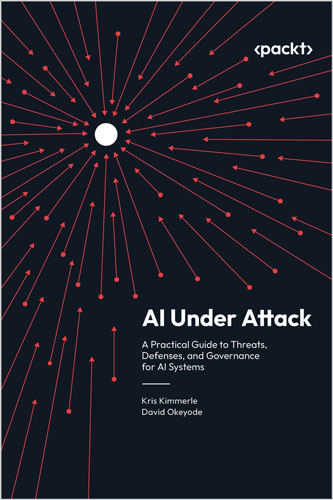
A Practical Guide to Threats, Defenses, and Governance for AI Systems
Kris Kimmerle, David Okeyode
#AI
#LLM
#RAG
#MLOps
#API
#API
#AI_Security
🏢 این راهنما که بر پایه تجربه کار با شرکتهای Fortune 500 ساخته شده، روشهای دستبهکاری برای امن کردن Generative AI ارائه میده و موضوعهایی مثل RAG، ایجنتها، Prompt Injection، پایپلاینهای داده، Zero Trust و ساخت برنامههای امنیتی پایدار رو بهصورت گسترده پوشش میده.
🧰 این کتاب شامل AI Under Attack Practitioner Toolkit هم هست؛ مجموعهای از Field Artifactهای مخصوص هر فصل که برای تمرین امنیت AI در سناریوهای واقعی طراحی شدهاند.
✨ ویژگیهای کلیدی
🛡️ از LLMها، سیستمهای RAG و ایجنتهای خودمختار در برابر Prompt Injection، Jailbreak و سوءاستفاده از ابزارها دفاع میکنی
🔐 معماری Zero Trust رو برای ایجنتهای AI دارای دسترسی به ابزار، حافظه و Reasoning هدفمحور به کار میگیری
📋 برنامههای Governance و Red Teaming برای AI اجرا میکنی که با NIST AI RMF، استاندارد ISO 42001 و راهنمای OWASP برای LLMها همراستا هستن
📘 توضیح کتاب
🤖 برخلاف کتابهای عمومی AI یا کتابهای Cybersecurity که فقط پوشش محدودی از AI دارن، این راهنما بهصورت جامع و عمیق وارد امنیت اکوسیستم Generative AI میشه.
🧱 کتاب در چهار بخش جلو میره. بخش مبانی توضیح میده چرا امنیت AI اساساً متفاوته و موضوعهایی مثل Threat Modeling، سطحهای حمله و اصلهای اصلی دفاع رو پوشش میده. بخش حملهها بررسی فنی عمیقی از Prompt Injection، سوءاستفاده از حافظه و Context، آسیبپذیریهای سیستمهای RAG، تکنیکهای اکسپلویت ایجنتها، مسمومسازی دادههای آموزشی و متدولوژی Red Teaming برای AI ارائه میده.
🏗️ بخش ساخت سیستمهای AI امن روی سختسازی زیرساخت و MLOps، طراحی امن اپلیکیشنها و APIها، Prompt Engineering دفاعی، Guardrailها همراه با نظارت انسانی، یکپارچگی زنجیره تأمین و معماری Zero Trust برای ایجنتها تمرکز میکنه. بخش اجرای برنامههای امنیت AI هم فریمورکهای Governance، ریسک و Compliance، Practiceهای مهندسی امنیت، عملیات امنیتی و ساخت قابلیتهای سازمانی پایدار رو بررسی میکنه. در سراسر کتاب، به اینسایتهای عملی و رویکردهای ساختاریافتهای دسترسی پیدا میکنی که در سناریوهای واقعی قابل استفادهاند.
🎯 تا پایان کتاب، میتونی برنامههای امنیتی مخصوص Generative AI رو طراحی، پیادهسازی و نگهداری کنی، در برابر تهدیدهای پیشرفته دفاع کنی، ریسکها رو برای ذینفعها توضیح بدی و Governanceای ایجاد کنی که عملیات امن و سازگار رو در سراسر چرخه عمر تضمین کنه.
🎯 چیزهایی که یاد میگیری
⚠️ ریسکهای مخصوص AI رو شناسایی میکنی و اونها رو بهصورت روشن برای تیمهای کسبوکار توضیح میدی
🛡️ از مدلها، دادهها، سیستمهای RAG و ایجنتها در برابر تهدیدهایی مثل مسمومسازی، Prompt Injection، Jailbreak و استخراج غیرمجاز داده دفاع میکنی
☁️ زیرساختهای Cloud و MLOps مقاوم رو با استفاده از Zero Trust، امنیت زنجیره تأمین و ایزولهسازی طراحی میکنی
🔌 APIها، اپلیکیشنها و ایجنتهای امن رو با Authentication قوی، اعتبارسنجی مناسب و استفاده امن از ابزارها میسازی
📊 GRC متمرکز بر AI، بررسیهای Alignment، کاهش Bias، مانیتورینگ و Incident Response رو به کار میگیری
🤝 کانسپتهای پیچیده رو با استفاده از Threat Intelligence و همکاری تیمی به قدمهای عملی تبدیل میکنی تا امنیت ماندگارتری بسازی
👤 این کتاب برای چه کسانیه؟
👨💻 این کتاب برای متخصصهای Cybersecurity سطح متوسط تا ارشد، معمارهای امنیت و لیدرهای تکنولوژیه که ریسکهای مربوط به دیپلوی Generative AI رو مدیریت میکنن. همینطور برای متخصصهای جونیور، مهندسهای AI/ML، اعضای Red Team، متخصصهای DevSecOps، مسئولهای Governance، کارشناسهای Compliance و ذینفعهای محصول که دانش پایه Cybersecurity دارن هم ارزشمنده.
📌 خواننده باید با کانسپتهای پایه امنیت آشنا باشه، کمی تجربه کار با پلتفرمهای Cloud مثل AWS، Azure یا GCP داشته باشه و درک پایهای از AI/ML داشته باشه؛ اما تجربه قبلی در امنیت AI لازم نیست.
📖 فهرست مطالب
بخش ۱. مبانی
فصل ۱. چرا امنیت AI متفاوت است
فصل ۲. Threat Modeling برای سیستمهای AI
فصل ۳. سطح حمله AI
فصل ۴. مبانی دفاع از AI
بخش ۲. حملهها و رفتار ایجنتها
فصل ۵. آناتومی یک سیستم AI
فصل ۶. Prompt Injection و Jailbreaking
فصل ۷. سوءاستفاده از حافظه، Context و State
فصل ۸. حمله به سیستمهای RAG
فصل ۹. معماری ایجنتها و آسیبپذیریهای آنها
فصل ۱۰. تکنیکهای اکسپلویت ایجنتها
فصل ۱۱. حمله به دادههای آموزشی و یکپارچگی مدل
فصل ۱۲. Red Teaming و Evaluation برای AI
بخش ۳. مهندسی دفاعها
فصل ۱۳. امن کردن زیرساخت AI، MLOps و محیطهای Runtime
فصل ۱۴. ساخت اپلیکیشنها و APIهای امن AI
فصل ۱۵. Prompt Engineering دفاعی
فصل ۱۶. Guardrailها و نظارت انسانی
فصل ۱۷. وابستگیهای خارجی، یکپارچگی زنجیره تأمین و ریسک Multi-Tenant
فصل ۱۸. امن کردن ایجنتهای AI با معماری Zero Trust
بخش ۴. برنامهها، عملیات و وضعیت آینده
فصل ۱۹. Governance، ریسک و Compliance در AI
فصل ۲۰. مهندسی امنیت AI
فصل ۲۱. عملیات امنیت AI
فصل ۲۲. ساخت برنامههای امنیتی پایدار برای AI
فصل ۲۳. آینده امنیت AI
فصل ۲۴. فعال کردن مزایای اختصاصی
فصل ۲۵. جعبهابزار متخصصها
👤 درباره نویسندگان
👨💼 دیوید اوکیوده یکی از معمارهای پیشرو امنیت Cloud است و تجربه گستردهای در مشاوره، آموزش و پژوهش امنیت Azure داره. او چندین دوره آموزشی امنیت Cloud نوشته و در رویدادهای بزرگ Cybersecurity در سراسر دنیا سخنرانی میکنه.
👨💼 کریس کیمرلی یکی از چهرههای شناختهشده در امنیت و Governance هوش مصنوعیه و در حال حاضر ابتکارهای استراتژیک مرتبط با AI رو در سازمانهای جهانی جلو میبره. او بیش از ۲۰ سال تجربه در Cybersecurity، معماری Cloud و هوش مصنوعی داره و به شرکتهای بینالمللی کمک کرده سیستمهای Generative AI رو بهصورت امن و مطابق استانداردهای قانونی پیادهسازی کنن.
🧠 کار کریس تخصص فنی عمیق رو با استراتژی مدیریتی ترکیب میکنه و به سازمانها اجازه میده AI رو بدون قربانی کردن اعتماد، حریم خصوصی یا Resilience اسکیل کنن. او گواهیهای CISSP و AI Governance Professional یا AIGP رو داره و سرتیفیکیشنهای تخصصی AI از AWS، Azure و Google Cloud هم گرفته.
🎤 کریس یکی از صداهای قابلاعتماد این حوزه است و به تبدیل ریسکهای پیچیده به راهنماییهای عملی شناخته میشه. او بهطور منظم در رویدادهای صنعت سخنرانی میکنه، به مشتریهای جهانی درباره امن کردن AI در سراسر چرخه توسعه مشاوره میده و اینسایتهایی منتشر میکنه که گفتوگوهای مربوط به ریسک، Governance و امنیت AI در مقیاس بزرگ رو شکل میدن.
Built on Fortune 500 experience, this guide delivers hands-on methods to secure generative AI with extensive coverage of RAG, agents, prompt injection, data pipelines, Zero Trust, and sustainable programs.
Includes the AI Under Attack Practitioner Toolkit, featuring chapter-specific Field Artifacts for real-world AI security practice.
Contrary to general AI texts or cybersecurity books with limited AI coverage, this guide offers a comprehensive dive into securing the generative AI ecosystem.
It moves through four parts: Foundations establishes why AI security is fundamentally different, covering threat modeling, attack surfaces, and core defense principles. Attacks provides deep technical examination of prompt injection, memory and context abuse, RAG system vulnerabilities, agent exploitation techniques, training data poisoning, and AI red teaming methodology. Building Secure AI Systems covers infrastructure and MLOps hardening, secure application and API design, defensive prompt engineering, guardrails with human oversight, supply chain integrity, and Zero Trust architecture for agents. Running AI Security Programs addresses governance, risk and compliance frameworks, security engineering practices, security operations, and building sustainable organizational capabilities. Throughout, you will gain access to practical insights and structured approaches applicable to real-world scenarios.
By the end, you will be able to design, implement, and maintain security programs for generative AI, defend against advanced threats, communicate risks to stakeholders, and establish governance ensuring secure, compliant operations across the lifecycle.
This book is for mid- to senior-level cybersecurity professionals, security architects, and tech leaders managing risks in generative AI deployments. It’s also valuable for early-career practitioners, AI/ML engineers, red teamers, DevSecOps, governance specialists, compliance officers, and product stakeholders with foundational cybersecurity knowledge. Readers should have basic familiarity with security concepts, some exposure to cloud platforms (AWS, Azure, or GCP), and a fundamental grasp of AI/ML, though no prior AI security expertise is required.
Part 1. Foundations
Chapter 1. Why AI Security Is Different
Chapter 2. Threat Modeling AI Systems
Chapter 3. The AI Attack Surface
Chapter 4. Foundations of AI Defense
Part 2. Attacks and Agent Behavior
Chapter 5. Anatomy of an AI System
Chapter 6. Prompt Injection and Jailbreaking
Chapter 7. Memory, Context, and State Abuse
Chapter 8. Attacks on RAG Systems
Chapter 9. Agent Architecture and Vulnerabilities
Chapter 10. Agent Exploitation Techniques
Chapter 11. Attacks on Training Data and Model Integrity
Chapter 12. AI Red Teaming and Evaluation
Part 3. Engineering Defenses
Chapter 13. Securing AI Infrastructure, MLOps, and Runtime Environments
Chapter 14. Building Secure AI Applications and APIs
Chapter 15. Defensive Prompt Engineering
Chapter 16. Guardrails and Human Oversight
Chapter 17. External Dependencies, Supply Chain Integrity and Multi-Tenant Risk
Chapter 18. Securing AI Agents with Zero Trust Architecture
Part 4. Programs, Operations, and Future State
Chapter 19. AI Governance, Risk, and Compliance
Chapter 20. AI Security Engineering
Chapter 21. AI Security Operations
Chapter 22. Building Sustainable AI Security Programs
Chapter 23. The Future of AI Security
Chapter 24. Unlock Your Exclusive Benefits
Chapter 25. Practitioner Toolkit
About the Author
David Okeyode is a leading cloud security architect with extensive experience in Azure security consulting, training, and research. He has authored multiple cloud security courses and speaks at major cybersecurity events worldwide.
Kris Kimmerle is a recognized leader in AI security and governance, currently driving strategic initiatives across global organizations. With over 20 years of experience spanning cybersecurity, cloud architecture, and artificial intelligence, Kris has helped international enterprises implement generative AI systems securely and in compliance with regulatory standards. His work bridges deep technical expertise with executive-level strategy, enabling organizations to scale AI without compromising trust, privacy, or resilience. He holds CISSP and AI Governance Professional (AIGP) certifications, along with specialized AI credentials from AWS, Azure, and Google Cloud. Kris is a trusted voice in the field, known for translating complex risks into practical guidance. He regularly speaks at industry events, advises global clients on securing AI across the development lifecycle, and publishes insights that shape the conversation on AI risk, governance, and security at scale.