ثبت نام / ورود
0
ثبت نام / ورود
0
John Ousterhout
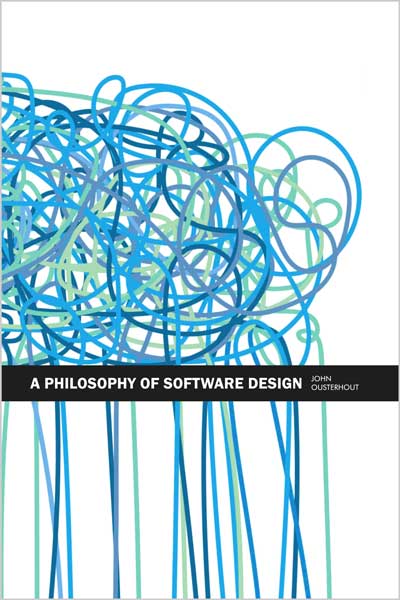
#Software_Design
🚀 این کتاب دقیقاً به موضوع طراحی نرمافزار میپردازه: اینکه چطور سیستمهای نرمافزاری پیچیده رو به ماژولهایی (مثل کلاسها و متدها) تجزیه کنیم که بشه اونها رو به صورت نسبتاً مستقل از هم پیادهسازی کرد. کتاب اول از همه مشکل بنیادی در طراحی نرمافزار، یعنی همان مدیریت پیچیدگی رو مطرح میکنه. بعدش میره سراغ مباحث فلسفی درباره اینکه چطور باید به فرآیند طراحی نرمافزار نگاه کنیم و مجموعهای از اصول طراحی رو ارائه میده که باید حین کار اونها رو به کار بگیری. این کتاب همچنین یکسری ردفلگ یا همان نشانههای خطر رو معرفی میکنه که با دیدنشون میتونی مشکلات طراحی رو تشخیص بدی. تو میتونی ایدههای این کتاب رو پیاده کنی تا پیچیدگی سیستمهای نرمافزاری بزرگ رو به حداقل برسونی و در نتیجه، بتونی نرمافزارها رو سریعتر و با هزینه کمتری بنویسی.
📚 فهرست مطالب
✍️ درباره نویسنده
👨💻 جان اوسترهوت دانشمند علوم کامپیوتر و استاد دانشگاه استنفورد هست که بیشتر به خاطر مشارکتهاش در توسعه سیستمهای نرمافزاری و زبانهای برنامهنویسی شناخته میشه. اون نویسنده کتاب فلسفه طراحی نرمافزار هست؛ جایی که روی سادگی به عنوان مهمترین اصل در ساخت سیستمهای نرمافزاری بزرگ تاکید میکنه.
💡 اون در طول حرفه آکادمیک و تخصصی خودش در دانشگاه استنفورد، روی کاهش پیچیدگی نرمافزار و آموزش دولوپرها تمرکز داشته تا یاد بگیرن چطور سیستمهایی طراحی کنن که فهم، نگهداری و اسکیل کردنشون راحتتر باشه. کارهای اون به شدت از طراحی ماژولار، انتزاعهای شفاف و به حداقل رساندن لود ذهنی در توسعه نرمافزار دفاع میکنه.
🎯 در کل، فلسفه اوسترهوت حول این ایده میچرخه که کیفیت طراحی نرمافزار بیشتر بر اساس میزان سادگی و قابل فهم بودن اون تعیین میشه، نه اینکه چقدر پر از فیچر یا از نظر فنی پیچیده به نظر برسه.
This book addresses the topic of software design: how to decompose complex software systems into modules (such as classes and methods) that can be implemented relatively independently. The book first introduces the fundamental problem in software design, which is managing complexity. It then discusses philosophical issues about how to approach the software design process and it presents a collection of design principles to apply during software design. The book also introduces a set of red flags that identify design problems. You can apply the ideas in this book to minimize the complexity of large software systems, so that you can write software more quickly and cheaply.
Table of Contents
About the Author
John Ousterhout is a computer scientist and professor at Stanford University, best known for his contributions to software systems and programming languages. He is the author of A Philosophy of Software Design, where he emphasizes simplicity as the most important principle in building large software systems.
In his academic and professional career at Stanford University, he has focused on reducing software complexity and teaching developers how to design systems that are easier to understand, maintain, and scale. His work strongly advocates for modular design, clear abstractions, and minimizing cognitive load in software development.
Overall, Ousterhout’s philosophy centers on the idea that the quality of software design is determined more by how simple and understandable it is than by how feature-rich or technically advanced it appears.
 مرصاد مقدم
سلام و خسته نباشید نسخه دومش رو کی میارید
اسکای بوکدورد بر شما، نسخه اورجینال ویرایش دوم موجود نیست.