ثبت نام / ورود
0
ثبت نام / ورود
0
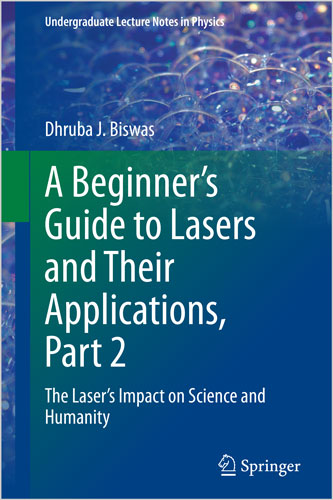
The Laser’s Impact on Science and Humanity
Dhruba J. Biswas
#Laser
#physics
#Optics
#biology
#medicine
#chemistry
#engineering
#Spectroscopy
#Cosmos
🔦 این کتاب دوجلدی، تصویری غنی و جامع از لیزر ارائه میدهد و انواع مختلف لیزر، مبانی علمی فناوری آن، نقش لیزر در مرزهای پژوهش علمی معاصر و کاربردهای آن در پزشکی، صنعت و هنر را بررسی میکند.
📘 کتاب تنها آشنایی با فیزیک در سطح دبیرستان را بهعنوان پیشنیاز در نظر میگیرد و بهجای ریاضیات سنگین، توضیحاتی کیفی اما از نظر علمی دقیق ارائه میدهد. به همین دلیل، برای طیف گستردهای از خوانندگان در رشتههای فیزیک، شیمی، مهندسی، پزشکی و زیستشناسی مناسب است.
🧠 شیوه ارائه جذاب و روان کتاب، همراه با تصویرسازیهای فراوان، دنیای لیزر را برای دانشجویان کارشناسی علوم و همچنین هر خواننده کنجکاوی که دانش فیزیک دبیرستانی دارد قابلفهم میکند. این اثر هم برای خودآموزی مناسب است و هم میتواند بهعنوان منبع مکمل در درسهای اپتیک و اپتوالکترونیک مورد استفاده قرار گیرد.
🔬 این جلد، پارت دوم از دو جلد، با مروری کوتاه بر علم لیزر آغاز میشود و سپس بسیاری از پیشرفتهای علمی ممکنشده بهوسیله لیزر را بررسی میکند؛ از جمله طیفسنجی، سرمایش و بهداماندازی نوری و انبرکهای نوری. همچنین نشان میدهد که لیزر چگونه از طریق کاربردهای خود در پزشکی، تولید صنعتی، صنعت هستهای، انرژی، ارتباطات، حفاظت و مرمت آثار هنری، مد، زیبایی و سرگرمی بر زندگی روزمره ما تأثیر میگذارد.
⚛️ این جلد پس از پارت اول ارائه میشود؛ جلدی که مبانی اپتیک، ماهیت لیزر، نحوه عملکرد آن و ویژگیهای منحصربهفرد نور لیزر را توضیح میدهد؛ از نظریه بنیادی کوانتومی و وارونگی جمعیت گرفته تا انواع رایج لیزر.
📖 فهرست مطالب
فصل ۱. مقدمه
فصل ۲. لیزرها و جایزه نوبل فیزیک؛ سفری در میان پیشرفتهای بزرگ
فصل ۳. آشکار کردن نامرئیها؛ شناخت ماده با طیفسنجی لیزری
فصل ۴. برخی پیشرفتهای علم مدرن که به کمک لیزر امکانپذیر شدند
فصل ۵. تغییر رنگ نور؛ شگفتی اپتیک غیرخطی
فصل ۶. تابش به سوی کیهان؛ لیزرها در اکتشافات فضایی و ارتباطات
فصل ۷. تأثیر لیزر در حوزههای نوظهور علم و فناوری
فصل ۸. درمان با نور؛ انقلاب پزشکی لیزر
فصل ۹. اندازهگیری با نور؛ فاصلهسنجی لیزری در جهان ما و فراتر از آن
فصل ۱۰. سلاحهای نور؛ لیزرها در میدان نبرد مدرن
فصل ۱۱. نمایش با نور؛ لیزرهایی برای شگفتی و سرگرمی
فصل ۱۲. پاکسازی با نور؛ تمیزکاری لیزری از هنر تا صنعت
فصل ۱۳. ارتباطات لیزری؛ ستون پنهان زندگی متصل ما
پیوست. مدولاسیون
فصل ۱۴. طراحی با نور؛ لیزرها در دنیای مد
فصل ۱۵. شکلدهی با نور؛ کاربردهای گوناگون لیزر در پردازش مواد
فصل ۱۶. شکلدهی و درمان با نور؛ ظرفیت لیزرهای فوقسریع
👤 درباره نویسنده
🎓 دروبا بیسواس پس از دریافت مدرک کارشناسی ارشد فیزیک از Indian Institute of Technology, Kharagpur، در سال ۱۹۷۹ به برنامه لیزر مرکز تحقیقات اتمی بهابها BARC در بمبئی پیوست.
🔬 او در سال ۱۹۸۶ مدرک دکتری خود را از Heriot-Watt University در ادینبرو بریتانیا و زیر نظر استادش، پروفسور Robert G. Harrison، دریافت کرد.
⚛️ پژوهشهای او طی سالها حوزههایی مانند فیزیک و فناوری لیزر، آشوب نوری، جداسازی ایزوتوپی با لیزر، اپتیک غیرخطی و پاکسازی و اصلاح سطوح با کمک لیزر را در بر گرفتهاند. او تاکنون بیش از صد مقاله پژوهشی داوریشده منتشر کرده است.
🏭 اهمیت فعالیتهای او تنها به نتایج علمی و دانشگاهی محدود نمیشود، بلکه بخش مهمی از پژوهشهایش شامل نوآوریهای فناورانهای بوده که بهویژه با نیازهای کشورهای درحالتوسعه تناسب دارند.
🏅 بیسواس جوایز ملی و بینالمللی متعددی دریافت کرده است که از جمله آنها میتوان به Indian National Science Academy Young Scientist Award in Physics، جایزه A. K. Bose Memorial Award in Physical Sciences، جایزه N. S. Satyamurty Memorial Award انجمن فیزیک هند، جایزه Homi Bhabha Science & Technology Award از وزارت انرژی اتمی و عنوان Senior Associate در International Centre for Theoretical Physics در تریسته ایتالیا اشاره کرد.
🌍 او سخنرانیهای دعوتشده متعددی در سمپوزیومها و سمینارهای ملی و بینالمللی، چه تخصصی و چه عمومی، در هند، ایالات متحده و کشورهای مختلف اروپایی ارائه کرده است.
👨🏫 او همچنین نزدیک به دو دهه درس Laser Physics & Technology را برای کارآموزان فیزیک و دانشجویان شاخههای مختلف مهندسی در مدرسه آموزشی BARC تدریس کرده است.
This two-volume book provides an enriching insight into the laser, covering different types of lasers, the basic science behind the technology, their role at the cutting-edge of current scientific research, and their applications in medicine, industry, and the arts. With just high school physics as a prerequisite and favoring qualitative yet scientifically sound explanations over high-level mathematics, this book is aimed at a broad spectrum of readers in physics, chemistry, engineering, medicine, and biology. Its engaging and lucid presentation is enhanced with plenty of illustrations, making the world of the laser accessible to undergraduate students in the sciences and any other inquisitive readers with high school physics under their belts. It is ideal for self-study or as a complement to courses on optics and optoelectronics.
This volume, Part 2 of 2, begins with a brief review of laser science and depicts the many advances in science enabled by the laser, includingspectroscopy, optical cooling and trapping, and optical tweezers, among many others, and provides a glimpse into the ways that the laser affects our daily lives via its uses in medicine, manufacturing, the nuclear industry, energy, communication, art conservation, fashion, beauty, and entertainment.
It is preceded by Part 1 which explains the fundamentals of optics, what a laser is, how it works, and what is unique about the light it emits, from fundamental quantum theory through population inversion to common laser types.
Table of Contents
Chapter 1. Introduction
Chapter 2. Lasers and the Physics Nobel Prize: A Journey Through Breakthroughs
Chapter 3. Revealing the Invisible: Unlocking Matter with Laser Spectroscopy
Chapter 4. Some Breakthroughs in Modern Science That Were Enabled by Lasers
Chapter 5. Changing Light’s Colors: The Magic of Nonlinear Optics
Chapter 6. Beaming into the Cosmos: Lasers in Space Exploration and Communication
Chapter 7. Impact of Laser in the Emerging Areas of Science and Technology
Chapter 8. Healing with Light: The Medical Revolution of Lasers
Chapter 9. Measuring with Light: Laser Ranging in Our World and Beyond
Chapter 10. Weapons of Light: Lasers on the Modern Battlefield
Chapter 11. Spectacle in Light: Lasers That Amaze and Entertain
Chapter 12. Erasing with Light: Laser Cleaning from Art to Industry
Chapter 13. Laser Communication: The Hidden Backbone of Our Connected Lives
Appendix. Modulation
Chapter 14. Designing with Light: Lasers in the World of Fashion
Chapter 15. Shaping with Light: The Many Faces of Laser Material Processing
Chapter 16. Sculpting and Healing with Light: The Promise of Ultrafast Lasers
Dhruba Biswas joined the laser program of Bhabha Atomic Research Centre (BARC), Mumbai, in 1979 after obtaining his M.Sc. (Physics) from the Indian Institute of Technology, Kharagpur. He later obtained his Ph.D. from Heriot Watt University, Edinburgh, UK, in 1986, under the supervision of his mentor Prof. Robert G. Harrison. His research work over the years has encompassed physics and technology of lasers, optical chaos, laser isotope separation, non-linear optics, laser assisted surface cleaning & modification. He has to date over a hundred peer reviewed research publications. While his work is commendable with respect to the new results that are of considerable academic value, it assumes greater significance as it involves technological innovations particularly appropriate from the point of view of a developing nation. He has been a recipient of a number of national and international awards, including the Indian National Science Academy Young Scientist Award in Physics, Indian National Science Academy A. K. Bose Memorial Award in Physical Sciences, N. S. Satyamurty Memorial Award of Indian Physics Association, Homi Bhabha Science & Technology Award of the Department of Atomic Energy, and Senior Associateship of the International Centre of Theoretical Physics, Trieste, Italy. He has presented numerous invited talks in national and international symposiums, and seminars, both technical and popular, in India, USA, and many countries across Europe. He has taught ‘Laser Physics & Technology’ course to both Physics trainees as well as all branches of engineering trainees of the BARC Training School for years nearly two decades.