ثبت نام / ورود
0
ثبت نام / ورود
0
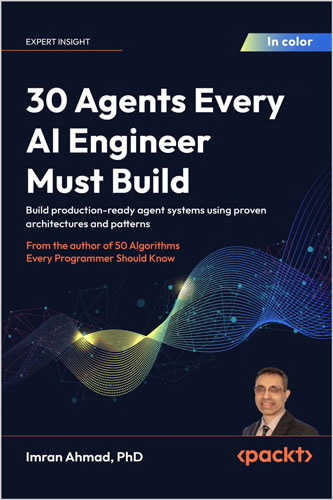
Build production-ready agent systems using proven architectures and patterns
Imran Ahmad, PhD
#AI
#AI_Engineer
#LangChain
#LangGraph
#LLM
📌 یاد بگیرید که چگونه قابلیتهای مدلهای زبانی بزرگ را با استفاده از الگوهای کاربردی و رویکردهای قلمرومحور، به سیستمهای عامل آماده برای محیط عملیاتی تبدیل کنید. با راهنمایی عمران احمد، نویسنده کتاب ۵۰ الگوریتمی که هر برنامهنویسی باید بداند.
💎 ویژگیهای کلیدی
📝 توضیحات کتاب
🚀 همگام با تکامل هوش مصنوعی از ابزارهای غیرفعال به همکارهای فعال، عاملهای هوشمند دارن یک تغییر بنیادین در محاسبات رو رهبری میکنن. این راهنما دانش حیاتی در مورد معماری عاملها، ابزارهای کاربردی و رویکردهای صنعتی مورد نیاز برای ساخت سیستمهای هوش مصنوعی خودمختار و قدرتمند را ارائه میده؛ سیستمهایی که کاری بیشتر از تولید متن انجام میدن—اونها عمل میکنن.
💡 شما کار خودتون رو با تسلط بر قابلیتهای پایهای شروع میکنید: ادراک، حافظه، استدلال، برنامهریزی و یادگیری. دیدگاهی عمیق نسبت به حلقههای شناختی که رفتار خودمختار رو هدایت میکنن به دست میارید و معماریهای پیچیدهای رو با استفاده از فریمورکهایی مثل لنگچین و لنگگراف میسازید.
🏢 این کتاب کاربردهای پرامپت بالا را در بخشهای متنوعی از جمله توسعه نرمافزار، امور مالی، تولید، امور حقوقی و آموزش بررسی میکنه تا نشون بده چطور عاملها جریانهای کاری رو بهینهسازی میکنن، کنترل کیفیت رو خودکار میسازن و سیستمهای مشاوره رو ارتقا میدن. از طریق مطالعات موردی واقعی، شما عاملهایی میسازید که قادر به استدلال متنی، استفاده مؤثر از ابزارها و همکاری بیوقفه با انسان هستن. در نهایت، استراتژیهای ضروری برای استقرار، مدیریت و همراستایی اخلاقی رو یاد میگیرید و تضمین میکنید که راهحلهای هوش مصنوعی شما در محیطهای عملیاتی، هم مقیاسپذیر و هم مسئولیتپذیر باشن.
🛠️ چه در حال ساخت اولین عامل هوشمند خودتون باشید و چه در حال بهبود سیستمهای تجاری، این کتاب راهنمایی واضح و عملی برای ایجاد راهحلهای هوش مصنوعی مقیاسپذیر و مسئولیتپذیر ارائه میده.
🎯 آنچه یاد خواهید گرفت
📚 فهرست مطالب
فصل 1: پایههای مهندسی عامل
فصل 2: جعبه ابزار مهندس عامل
فصل 3: هنر پرامپتنویسی عامل
فصل 4: استقرار عامل و توسعه مسئولیتپذیر
فصل 5: معماریهای شناختی پایهای
فصل 6: بازیابی اطلاعات و عاملهای دانش
فصل 7: مدیریت ابزار و عاملهای ارکستراسیون
فصل 8: عاملهای تحلیل داده و استدلال
فصل 9: عاملهای توسعه نرمافزار
فصل 10: عاملهای گفتگویی و خلق محتوا
فصل 11: عاملهای ادراک چندوجهی
فصل 12: عاملهای اخلاقی و تفسیرپذیر
فصل 13: عاملهای مراقبتهای بهداشتی و علمی
فصل 14: عاملهای قلمرو مالی و حقوقی
فصل 15: عاملهای آموزش و دانش
فصل 16: عاملهای تجسمیافته و دنیای فیزیکی
فصل 17: موخره: آینده عاملهای هوشمند
👥 این کتاب برای چه کسی است
💻 این کتاب برای مهندسان هوش مصنوعی، توسعهدهندگان نرمافزار، محققان یادگیری ماشین و رهبران فنی طراحی شده که در حال ساخت سیستمهای هوشمند یا استقرار برنامههای کاربردی قدرتگرفته از مدلهای زبانی بزرگ هستن. این اثر بهطور ویژهای برای متخصصانی که در حال انتقال از یادگیری ماشین سنتی به معماریهای مبتنی بر عامل هستن یا کسانی که چالشهای اتوماسیون پیچیده رو حل میکنن، مفید هست. تجربه کار با پایتون و دانش پایهای یادگیری ماشین برای بهرهمندی حداکثری از پیادهسازیهای کد توصیه میشه.
👨 درباره نویسنده
🎓 عمران احمد، دارای مدرک دکترا، دانشمند داده در مرکز راهکارهای تحلیل پیشرفته در دولت فدرال کانادا هست؛ جایی که سیستمهای یادگیری ماشین رو برای برنامههای کاربردی حیاتی میسازه و مستقر میکنه. او در پایاننامه دکتری خود در سال ۲۰۱۰، یک الگوریتم مبتنی بر برنامهریزی خطی برای تخصیص بهینه منابع در محیطهای رایانش ابری بزرگمقیاس معرفی کرد؛ اثری که بسیاری از چالشهای سیستمهای توزیعشده رو که اکنون در استقرار عاملها کلیدی هستن، پیشبینی کرده بود. در سال ۲۰۱۷، او در توسعه استریمسنسینگ پیشگام شد که یک فریمورک تحلیل درلحظه هست و به پایه چندین مقاله پژوهشی در زمینه پردازش دادههای چندرسانهای در پارادایمهای یادگیری ماشین تبدیل شده. دکتر احمد کرسی استاد مدعو در دانشگاه کارلتون در اتاوا رو داره و مدرس مجاز برای گوگل کلاد و مایکروسافت آژور هست. او نویسنده کتاب پرفروش ۵۰ الگوریتمی که هر برنامهنویسی باید بداند (انتشارات پکت) هست که بهطور گسترده در برنامههای درسی دانشگاهی و برنامههای آموزشی صنعت پذیرفته شده. کار او روی معماریهای عامل هوشمند نشاندهنده تعاملی مستمر با سنتهای الگوریتمی، سیستمهای توزیعشده و محاسبات شناختی هست که در رشته نوظهور مهندسی عامل به هم میرسند. هر الگوی موجود در این کتاب در برابر واقعیتهای عملیاتی زمان تأخیر، هزینه، قابلیت اطمینان و امنیت که استقرارهای دنیای واقعی رو تعریف میکنن، آزمایش شده.
Learn to transform LLM capabilities into production-ready agent systems using practical patterns and domain-driven approaches, guided by Imran Ahmad, author of 50 Algorithms Every Programmer Should Know
As AI evolves from passive tools into proactive collaborators, intelligent agents are leading a fundamental shift in computing. This guide provides the critical knowledge of agent architectures, practical tools, and industry approaches needed to build robust, autonomous AI systems that do more than just generate text—they act.
You will begin by mastering foundational capabilities: perception, memory, reasoning, planning, and learning. You’ll gain deep insight into the cognitive loops that drive autonomous behavior and build sophisticated architectures using frameworks such as LangChain and LangGraph.
The book explores high-impact applications across diverse sectors, including software development, finance, manufacturing, legal and education, to show how agents optimize workflows, automate quality control, and enhance advisory systems. Through real-world case studies, you will create agents capable of contextual reasoning, effective tool use, and seamless human collaboration. Finally, you’ll learn essential strategies for deployment, management, and ethical alignment, ensuring your AI solutions are both scalable and responsible in production environments.
Whether you're building your first intelligent agent or improving business systems, this book provides clear, actionable guidance for creating scalable and responsible AI solutions.
Table of Contents
Chapter 1: Foundations of Agent Engineering
Chapter 2: The Agent Engineer's Toolkit
Chapter 3: The Art of Agent Prompting
Chapter 4: Agent Deployment and Responsible Development
Chapter 5: Foundational Cognitive Architectures
Chapter 6: Information Retrieval and Knowledge Agents
Chapter 7: Tool Manipulation and Orchestration Agents
Chapter 8: Data Analysis and Reasoning Agents
Chapter 9: Software Development Agents
Chapter 10: Conversational and Content Creation Agents
Chapter 11: Multi-Modal Perception Agents
Chapter 12: Ethical and Explainable Agents
Chapter 13: Healthcare and Scientific Agents
Chapter 14: Financial and Legal Domain Agents
Chapter 15: Education and Knowledge Agents
Chapter 16: Embodied and Physical World Agents
Chapter 17: Epilogue: The Future of Intelligent Agents
This book is designed for AI engineers, software developers, machine learning researchers, and technical leaders who are building intelligent systems or deploying LLM-powered applications. It is particularly beneficial for professionals transitioning from traditional machine learning to agent-based architectures or those solving complex automation challenges. Python experience and basic machine learning knowledge are recommended to get the most out of the code implementations.
About the Author
Imran Ahmad, Ph.D is a data scientist at the Advanced Analytics Solution Center (A2SC) within the Canadian federal government, where he builds and deploys machine learning systems for mission-critical applications. In his 2010 doctoral thesis, he introduced a linear programming-based algorithm for optimal resource assignment in large-scale cloud computing environments, work that anticipated many of the distributed systems challenges now central to agent deployment. In 2017, he pioneered the development of StreamSensing, a real-time analytics framework that has become the foundation of several research papers on processing multimedia data within machine learning paradigms. Dr. Ahmad holds a visiting professorship at Carleton University in Ottawa and is an authorized instructor for Google Cloud and Microsoft Azure. He is the author of the bestselling 50 Algorithms Every Programmer Should Know (Packt Publishing), which has been widely adopted in both academic curricula and industry training programs. His work on intelligent agent architectures reflects a sustained engagement with the algorithmic, distributed systems, and cognitive computing traditions that converge in the emerging discipline of agent engineering. Every pattern in this book has been tested against the production realities of latency, cost, reliability, and security that define real-world deployments.